
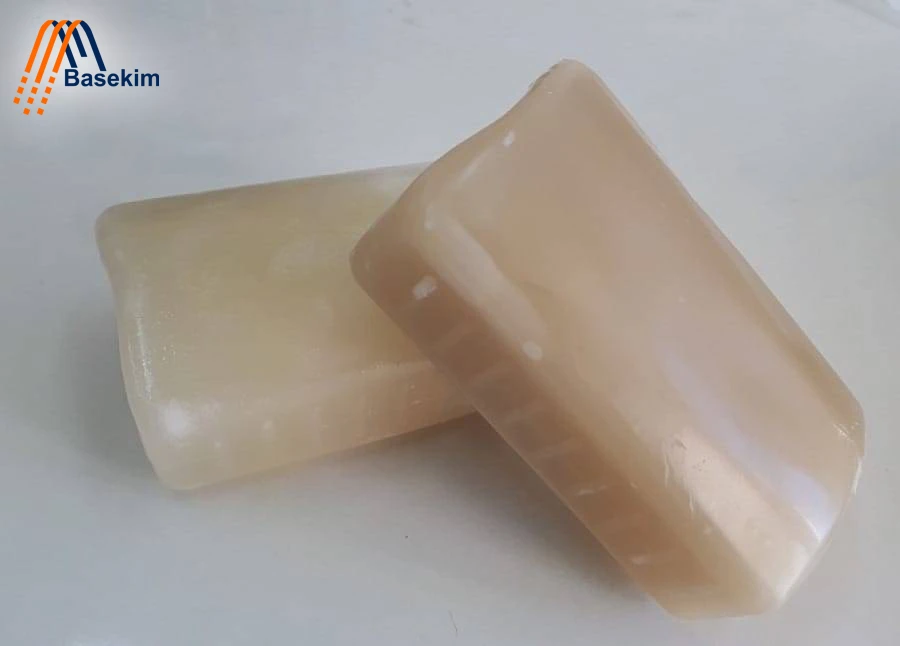
Slack wax is a semi-refined petroleum wax with natural oil content, used in paraffin production, candles, polishes, coatings, waterproofing, wood panels, rubber, and many industrial formulas. Buyers choose it because it offers practical wax performance at a lower cost than fully refined paraffin. To buy the right grade, compare oil content, melting point, color, packing, origin, and supplier reliability before placing a bulk order.
What Is Slack Wax?
Slack wax comes from the lubricating oil refining process. During dewaxing, refineries separate waxy materials from base oils. This process creates a wax-rich material that still contains oil. That oil content gives the product its softer texture, flexible behavior, and wide industrial value.
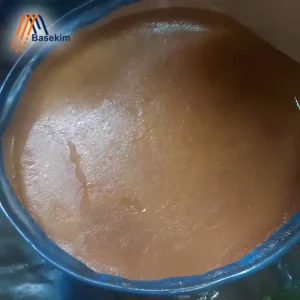
This material usually appears yellowish, light brown, or brown, depending on crude source, refining method, and oil percentage. Some grades feel soft and oily, while others feel harder and more solid. Manufacturers select the grade based on final use, processing method, and desired performance.
Unlike fully refined paraffin, this wax feedstock does not always need a clean white color or very low oil content. Many industries prefer it because it supports large-scale production at a practical cost.
Why Buyers Choose This Industrial Wax
Manufacturers use slack wax because it combines wax structure with useful oil content. This balance makes it suitable for blending, refining, coating, polishing, and waterproofing.
Industrial buyers often choose it for three main reasons: cost control, processing flexibility, and wide application range. A company that produces paraffin, candles, wood panels, or polish can often reduce raw material costs by choosing the correct grade instead of buying a more refined wax.
The product also works well in bulk operations. Many factories need steady supply, repeatable quality, and clear technical data. A reliable supplier helps keep production stable and avoids costly delays.
Main Slack Wax Uses
Slack wax uses cover many industries. Some manufacturers process it further, while others use it directly in formulas. The best use depends on oil content, melting point, color, hardness, and purity level.
Paraffin Wax Production
Paraffin manufacturers use this material as a key feedstock. They remove part of the oil through additional refining steps and produce semi-refined or fully refined paraffin. This process improves color, reduces oil content, and creates a cleaner final product.
For this reason, many wax refiners focus heavily on oil content. Lower oil content can improve yield and reduce processing effort. Higher oil content may cost less, but it can lower the amount of final paraffin recovered.
Candle Manufacturing
Candle producers sometimes use slack wax in blended formulas. It can reduce cost, soften texture, and improve processability. However, candle makers usually mix it with paraffin, stearic acid, microcrystalline wax, or other additives to improve burn quality and appearance.
This product works better for utility candles, outdoor candles, and cost-sensitive candle lines than for premium decorative candles. For high-end candles, buyers usually prefer cleaner paraffin with lower odor and better color.
Polishes and Surface Care
Polish manufacturers use wax materials to create shine, water resistance, and body. This petroleum wax can work in shoe polish, floor polish, furniture polish, and industrial surface-care products.
Its oil content can help the formula spread smoothly. It also supports gloss and protective film formation when blended with solvents, oils, pigments, and other waxes.
Waterproofing and Coatings
Many producers use slack wax in waterproofing products for paper, cardboard, textiles, leather, and construction materials. The wax forms a barrier that helps resist moisture.
Coating manufacturers often choose this grade when the product does not require bright white color or food-grade purity. It gives strong value in cost-sensitive industrial coatings.
Wood Panels and Boards
Wood panel producers use wax-based materials in particle board, MDF, plywood, and similar products. The wax helps improve moisture resistance and protects the board during use.
In this industry, consistency matters. A sudden change in oil content or melting point can affect performance. Bulk buyers should always request specifications and test new batches before full-scale use.
Rubber and Tire Processing
Rubber manufacturers may use wax materials to support processing and surface protection. The right grade can help with flexibility, blending, and surface behavior.
Not every grade suits rubber applications. Buyers should test compatibility before using it in rubber compounds or tire-related formulas.
Matches, Fire Starters, and Industrial Fuel Products
Some manufacturers use this wax feedstock in matches, fire starters, and fuel-related industrial products. It can support burning behavior, water resistance, and material binding.
For these applications, melting point and oil content can strongly affect the final product. Buyers should select a grade that matches the burning profile and handling needs of the formula.
Slack Wax Specification: What to Check Before Buying
Slack wax specification matters more than many buyers realize. A small change in oil content, melting point, or color can affect your production result.
Before you place an order, ask for a technical data sheet or certificate of analysis. A serious supplier should provide clear values instead of vague descriptions.
Important specifications include:
| Specification | Why It Matters |
|---|---|
| Oil content | Affects hardness, softness, yield, and application |
| Melting point | Shows heat behavior and processing range |
| Color | Matters for candles, polish, and refined wax |
| Congealing point | Helps predict solidification behavior |
| Penetration | Shows hardness or softness |
| Viscosity | Affects pumping, heating, and blending |
| Odor | Important for consumer-facing products |
| Packing | Impacts handling, storage, and transport |
| Origin | Helps buyers assess consistency |
Oil Content
Oil content affects almost every performance factor. Lower oil grades usually feel harder and work better for refining into paraffin. Higher oil grades feel softer and may suit coatings, polishes, or flexible industrial blends.
Buyers should not choose oil content randomly. A paraffin producer, polish maker, and wood panel factory may all need different grades.
Slack Wax Melting Point
Slack wax melting point usually varies by grade and refinery source. Many commercial grades fall within a mid-range suitable for industrial heating and blending systems.
A higher melting point can support harder products and better heat resistance. A lower melting point can help with easier melting, softer texture, and faster processing. Always confirm the exact melting point range before purchase.
How to Choose Slack Wax Suppliers
Good slack wax suppliers do more than sell material. They help buyers protect production quality, manage delivery schedules, and reduce purchasing risk.
When comparing suppliers, look for clear product data, sample support, bulk capacity, export experience, and honest communication. A supplier should answer technical questions directly and provide documents when needed.
Ask these questions before buying:
- What oil content range do you offer?
- What is the melting point?
- What color grade can I expect?
- What packing options do you provide?
- Can you supply a sample?
- Can you provide a certificate of analysis?
- Do you support repeat bulk orders?
- What delivery terms do you offer?
A dependable supplier saves time and reduces risk. Basekim can support buyers who need bulk sourcing, documentation, and supply coordination for industrial wax materials.
Slack Wax Manufacturers and Quality Control
Slack wax manufacturers usually connect to petroleum refining or wax processing operations. They produce wax-rich material during lubricant base oil dewaxing.
Quality depends on crude oil source, refinery technology, storage, handling, and batch control. Two products may share the same name but perform very differently in production.
Professional buyers should focus on repeatability. A low price may look attractive, but inconsistent material can increase waste, slow production, or damage final product quality.
Before signing a long-term order, test the product in your real process. Lab data helps, but production testing gives the clearest answer.
Slack Wax for Sale: How to Buy Smarter
When you search for slack wax for sale, you will find many origins, grades, and price levels. Do not choose only by price. First, match the material to your application.
A paraffin refiner may need lower oil content. A polish producer may prefer a softer grade. A waterproofing manufacturer may focus on cost and barrier performance. A candle maker may care about color, odor, and blending behavior.
A smart buying process looks like this:
- Define your application.
- Request technical specifications.
- Ask for a sample.
- Test the sample in your formula.
- Confirm packing and loading details.
- Compare price with performance.
- Place a trial order before scaling up.
This approach helps you avoid poor matches and protects your production line.
Bulk Slack Wax Buying Guide
Bulk slack wax buyers need steady volume, stable quality, and reliable logistics. Large industrial users cannot afford delays or unexpected quality changes.
Before you order, confirm the minimum order quantity, packing weight, container loading, lead time, payment terms, and shipping documents. Also check whether the supplier can support repeat shipments with similar specifications.
Common packing options may include bags, cartons, drums, or bulk formats. The best packing depends on your storage setup, melting equipment, unloading method, and production volume.
Bulk buyers should also plan ahead. Wax supply can change due to refinery schedules, transport costs, seasonal demand, and energy prices. Early purchasing can help secure better availability and smoother delivery.
Why Specification Matters More Than a Low Price
A low price does not always mean a better deal. If the product has too much oil for your refining process, your yield may drop and If the melting point does not suit your formula, you may face blending issues. If the color changes between batches, your final product may lose consistency.
The best purchase balances price, specification, and supplier reliability. A slightly better grade can sometimes reduce waste, improve output, and save more money over time.
Industries That Use This Wax Material
This petroleum wax serves many industrial sectors, including:
- Paraffin refining
- Candle production
- Wood panel manufacturing
- Polish production
- Paper coating
- Waterproofing
- Rubber processing
- Textile treatment
- Leather finishing
- Match production
- Fire starters
- Construction materials
- Industrial lubricants and blends
Its wide application range makes it a practical raw material for manufacturers that need wax performance at scale.
Storage and Handling Tips
Store slack wax in a clean, dry, shaded area. Keep it away from water, dust, direct sunlight, and strong odors. Good storage protects color, odor, and performance.
When heating the material, use controlled temperature. Avoid overheating because excessive heat can affect quality. Workers should follow the safety data sheet and use standard industrial handling procedures.
Proper storage and handling help maintain consistency from delivery to production.
Final Buying Advice
Slack wax gives industrial buyers a flexible, cost-effective wax material for many applications. It works well as paraffin feedstock and as an ingredient in candles, coatings, waterproofing, polishes, wood panels, rubber, and other products.
Before you buy, focus on application fit. Check oil content, melting point, color, odor, packing, origin, and documentation. Ask for samples and test them in your process before placing a large order.
A reliable supplier helps you secure steady quality, reduce risk, and keep production moving.