Slack Wax 10% Oil Content is a petroleum-derived wax widely used in industrial manufacturing and refining processes. It serves as an important raw material for producing paraffin wax, candles, rubber compounds, waterproofing products, coatings, and various specialty formulations.
Manufacturers value Slack Wax 10% because it offers a balanced combination of wax content, flexibility, and processing efficiency. Additionally, its moderate oil content makes it suitable for applications that require both lubrication and wax functionality. As a result, many industries use this material as an economical feedstock for further refining and industrial production.
Industrial users often select Slack Wax 10%, also known as Slack Wax 10 Oil Content, when they need a reliable wax material with consistent performance characteristics. Furthermore, the product supports large-scale manufacturing due to its availability, stable quality, and adaptability across different processes.
What Is Slack Wax 10% Oil Content?
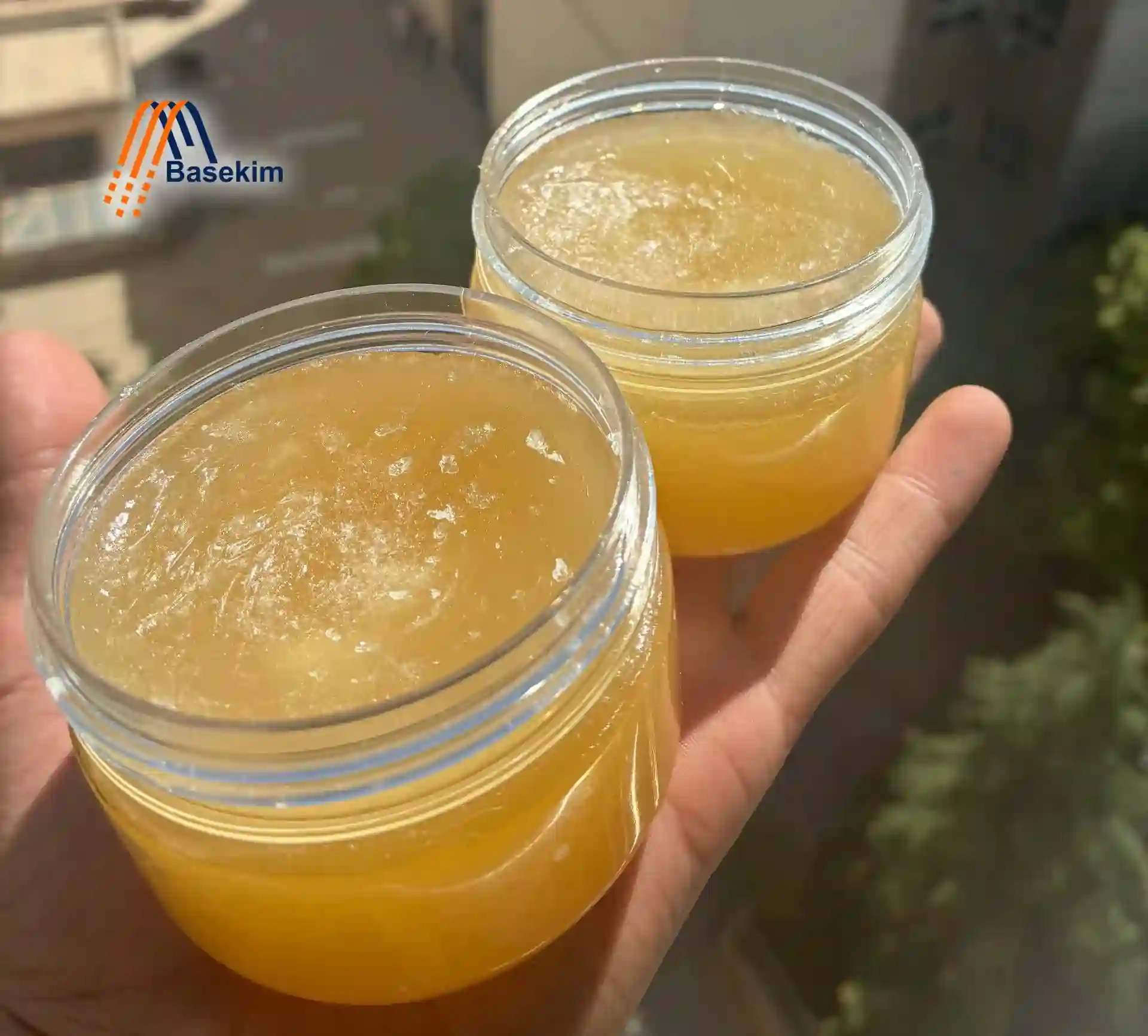
Slack Wax 10% Oil Content is a semi-refined petroleum wax obtained during the production of lubricating base oils. Refiners separate wax components from lubricating oil stocks through solvent dewaxing processes. Consequently, the resulting wax contains approximately 10% oil and a high percentage of paraffinic hydrocarbons.
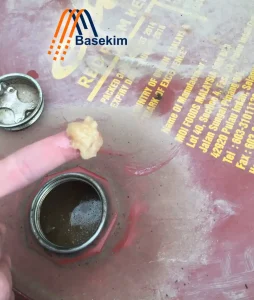
This material belongs to the broader category of Petroleum Slack Wax and typically appears as a solid or semi-solid wax mass. Moreover, it provides an intermediate product between crude wax streams and fully refined paraffin wax.
Industries frequently classify it as Light Grade Slack Wax because of its relatively low oil content compared with heavier slack wax grades. Therefore, it serves as a preferred feedstock for refining operations and downstream manufacturing processes.
The composition generally includes:
- Normal paraffins
- Iso-paraffins
- Microcrystalline wax fractions
- Residual lubricating oil
- Trace hydrocarbon compounds
Because of this composition, Slack Wax 10% offers excellent versatility across industrial applications.
How Slack Wax 10% Is Produced
The production of Industrial Slack Wax begins during lubricant base oil manufacturing.
First, refineries process crude oil through atmospheric and vacuum distillation. Subsequently, producers refine the lubricating oil fractions to improve performance characteristics.
During solvent dewaxing, refiners cool lubricating oil streams and add solvents that promote wax crystal formation. The wax crystals separate from the oil phase through filtration systems. Consequently, refiners recover slack wax as a by-product.
The process typically follows these stages:
| Production Stage | Purpose |
|---|---|
| Crude Oil Distillation | Separates hydrocarbon fractions |
| Lubricating Oil Production | Produces lube oil feedstock |
| Solvent Dewaxing | Removes wax from oil |
| Wax Filtration | Separates wax crystals |
| Solvent Recovery | Removes residual solvent |
| Slack Wax Collection | Produces wax with approximately 10% oil |
After recovery, manufacturers may further process the material through deoiling and refining. As a result, they can produce semi-refined and fully refined paraffin wax grades.
Therefore, Slack Wax 10% plays a critical role in the wax refining value chain.
Technical Specifications of Slack Wax 10% Oil Content
The exact values may vary by refinery source and production batch. However, most suppliers follow similar industrial standards.
Slack Wax 10% Specification
| Property | Typical Value |
|---|---|
| Oil Content | 8–12% |
| Slack Wax Melting Point | 50–58°C |
| Color | White to Light Yellow |
| Penetration (25°C) | 15–35 dmm |
| Flash Point | Above 220°C |
| Density at 20°C | 0.82–0.90 g/cm³ |
| Appearance | Solid Wax Blocks or Slabs |
These values provide a useful reference for industrial procurement and process design. Furthermore, many buyers request a detailed Slack Wax Technical Data Sheet before purchasing.
Key Characteristics of Slack Wax 10%
Several properties make Slack Wax 10% suitable for industrial use.
Moderate Oil Content
The 10% oil level provides flexibility and ease of processing. Additionally, it improves handling during blending and manufacturing operations.
Good Refining Potential
Manufacturers often use this grade as feedstock for paraffin wax production. Consequently, it represents an important raw material in wax refining facilities.
Stable Hydrocarbon Composition
The paraffinic structure offers predictable behavior during melting, blending, and refining.
Cost Efficiency
Compared with highly refined waxes, Slack Wax 10% typically requires less processing. Therefore, manufacturers can optimize production costs.
Wide Industrial Compatibility
The material integrates easily into numerous industrial formulations. Moreover, it supports applications ranging from candles to rubber compounds.
Applications of Slack Wax 10% Oil Content
Paraffin Wax Production
One of the most important Slack Wax Applications involves paraffin wax manufacturing.
Refiners use Slack Wax 10% as feedstock for further deoiling and purification. Subsequently, the refining process removes residual oil and impurities. As a result, manufacturers obtain semi-refined or fully refined paraffin wax products.
Because of its composition, Slack Wax for Paraffin Wax Production remains one of the largest market segments globally.
Candle Manufacturing
Slack Wax for Candle Manufacturing offers several advantages.
Manufacturers often blend slack wax with refined paraffin wax to improve production economics and product performance. Additionally, the wax contributes to proper burning characteristics and structural stability.
Common candle applications include:
- Household candles
- Decorative candles
- Religious candles
- Emergency candles
- Industrial candles
Therefore, candle manufacturers frequently use Slack Wax 10% as part of their formulation strategies.
Rubber Industry
The Slack Wax for Rubber Industry segment continues to grow worldwide.
Rubber producers incorporate slack wax into compounds to improve surface protection. Furthermore, wax migration helps reduce ozone cracking and environmental degradation.
Applications include:
- Tire manufacturing
- Automotive rubber parts
- Industrial rubber products
- Conveyor belts
- Sealing materials
Consequently, slack wax contributes to longer product life and improved durability.
Waterproofing Products
Manufacturers use Slack Wax 10% in waterproofing systems because of its hydrophobic properties.
For example, it appears in:
- Waterproof coatings
- Roofing compounds
- Protective membranes
- Construction sealants
As a result, treated surfaces gain improved resistance to moisture penetration.
MDF and Particle Board Manufacturing
Wood panel producers utilize slack wax emulsions during manufacturing.
Specifically, wax additives reduce water absorption in MDF and particle board products. Furthermore, they improve dimensional stability.
Benefits include:
- Lower swelling rates
- Better moisture resistance
- Enhanced board performance
- Improved durability
Therefore, slack wax remains a valuable additive in engineered wood products.
Polishes and Protective Coatings
Manufacturers formulate various polishing products using slack wax.
Applications include:
- Floor polish
- Automotive polish
- Industrial protective coatings
- Metal preservation compounds
Additionally, the wax contributes gloss, water resistance, and surface protection.
Chemical Processing
Chemical manufacturers use Slack Wax 10% as a hydrocarbon feedstock.
It supports the production of:
- Wax emulsions
- Specialty chemicals
- Lubricant additives
- Process aids
Moreover, its consistent composition allows predictable processing outcomes.
Benefits of Using Slack Wax 10%
Industrial users choose Slack Wax 10% for several practical reasons.
| Benefit | Industrial Value |
|---|---|
| Balanced Oil Content | Easier processing and blending |
| Refining Compatibility | Ideal paraffin wax feedstock |
| Cost Efficiency | Reduces manufacturing costs |
| Versatility | Suitable for multiple industries |
| Moisture Resistance | Supports waterproofing products |
| Protective Properties | Improves rubber durability |
| Availability | Widely supplied worldwide |
Additionally, the material performs well in both direct-use and refining applications.
Furthermore, manufacturers can customize formulations according to specific production requirements.
Slack Wax 10% vs Slack Wax 5%
Selecting the correct grade depends on the intended application.
| Property | Slack Wax 10% | Slack Wax 5% |
|---|---|---|
| Oil Content | 8–12% | 3–5% |
| Refinement Level | Lower | Higher |
| Processing Cost | Lower | Higher |
| Wax Purity | Moderate | Higher |
| Candle Applications | Suitable | Highly Suitable |
| Paraffin Production | Excellent Feedstock | Limited Need |
| Flexibility | Higher | Moderate |
| Market Price | Generally Lower | Generally Higher |
Slack Wax 10% offers greater processing flexibility. However, Slack Wax 5% provides higher purity for specialized applications.
Therefore, manufacturers should evaluate production objectives before selecting a grade.
Slack Wax 10% ASTM Standards
Slack Wax ASTM Standards help buyers verify quality, consistency, and safe handling before industrial use. Common tests include ASTM D721 for oil content, ASTM D87 for melting point, ASTM D1321 for penetration, ASTM D92 for flash point, and ASTM D1500 for color. Therefore, these methods support accurate comparison between batches and suppliers.
Packaging and Export Options
Industrial suppliers provide several packaging formats to support global logistics.
Common Slack Wax Export Packaging
| Packaging Type | Net Weight |
|---|---|
| Slab Packaging | 25 kg |
| Carton Boxes | 25 kg |
| Polywoven Bags | 25 kg |
| Jumbo Bags | 500–1000 kg |
| Bulk Container Loading | Customized |
Export packaging aims to protect the wax during transportation and storage.
Additionally, suppliers often wrap slabs in polyethylene film to reduce contamination. Consequently, product quality remains stable throughout shipment.
Storage and Handling Recommendations for Slack Wax 10%
Proper storage preserves product quality and ensures safe handling.
Recommended practices include:
- Store in a cool and dry environment.
- Keep products away from direct sunlight.
- Avoid exposure to excessive heat.
- Protect packaging from mechanical damage.
- Maintain good warehouse ventilation.
- Follow local safety procedures.
Additionally, operators should avoid contamination from dust, chemicals, or moisture.
When melting slack wax, manufacturers should use controlled heating systems. Therefore, they can prevent thermal degradation and maintain product consistency.
Quality Control and Testing Methods Slack Wax 10%
Quality assurance plays an important role in industrial wax applications.
Manufacturers routinely perform several laboratory tests to verify compliance.
Oil Content Analysis
Technicians measure residual oil levels using standardized extraction methods.
Melting Point Testing
Laboratories determine the Slack Wax Melting Point to ensure batch consistency.
Penetration Testing
This test evaluates hardness and structural characteristics.
Flash Point Determination
Flash point analysis verifies safe handling and transportation conditions.
Density Measurement
Density testing supports process control and product identification.
Visual Inspection
Quality teams assess:
- Color
- Appearance
- Uniformity
- Physical cleanliness
As a result, manufacturers maintain consistent product performance across production batches.
How to Choose the Right Slack Wax Grade
Several factors influence grade selection.
Consider Final Application
Different industries require different wax properties. For example, candle manufacturing may require lower oil content than waterproofing products.
Evaluate Refining Requirements
If the material serves as feedstock for paraffin wax production, Slack Wax 10% often provides an effective balance between cost and refining potential.
Review Technical Specifications
Buyers should carefully examine the Slack Wax Technical Data Sheet before purchasing.
Assess Processing Conditions
Operating temperatures, blending requirements, and equipment capabilities also influence grade selection.
Therefore, selecting the correct specification helps improve product performance and manufacturing efficiency.
Industry Demand and Global Market Applications
Global demand for Industrial Slack Wax continues to expand.
Several factors drive market growth:
- Rising candle consumption
- Growth in packaging industries
- Increased paraffin wax production
- Expansion of rubber manufacturing
- Higher demand for waterproofing materials
Additionally, developing economies continue to increase industrial consumption of wax-based products.
Major consuming regions include:
- Asia-Pacific
- Middle East
- Europe
- North America
- Africa
Meanwhile, refiners and distributors supply slack wax to manufacturers across multiple industrial sectors. Companies such as Scurea participate in the global supply chain by providing petroleum-derived wax products to international markets.
Overall, Slack Wax 10% remains an important industrial feedstock with broad market relevance.