
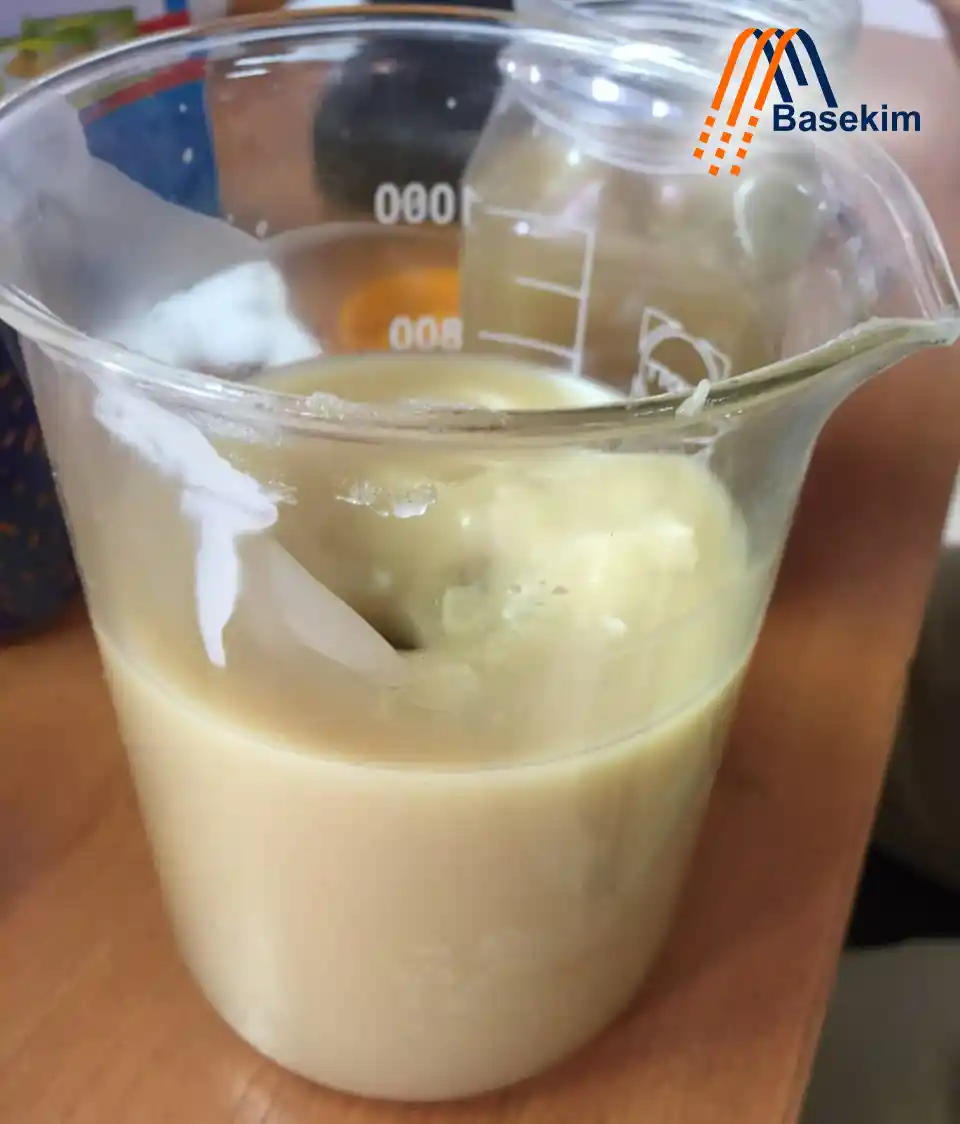
Slack Wax 30% Oil Content is a versatile petroleum wax that serves a wide range of industrial applications. Due to its high oil content percentage, this material offers excellent flexibility, processability, and cost efficiency. As a result, manufacturers across multiple industries use it as a raw material in wax emulsions, particle board manufacturing, MDF production, cable filling compounds, waterproofing compounds, and industrial coatings.
Unlike highly refined waxes, Slack Wax 30% Oil Content contains a larger proportion of oil. Therefore, it provides unique performance characteristics that make it suitable for industrial processing. Moreover, its balanced combination of wax and oil helps manufacturers improve product performance while controlling production costs.
Industrial buyers often select this grade when they need a dependable wax for large-scale manufacturing. Furthermore, its availability in bulk quantities makes it a practical choice for exporters, distributors, and end users worldwide.
As industries continue to seek efficient and economical raw materials, demand for high oil content slack wax remains strong. Consequently, Slack Wax 30% Oil Content has become an essential component in many manufacturing processes where flexibility, moisture resistance, and processing efficiency matter most.
What Is Slack Wax 30% Oil Content?
Slack Wax 30% Oil Content is a semi-refined petroleum wax produced during the solvent dewaxing process in lubricating oil refineries. During this process, refineries separate wax from base oil fractions. Consequently, the resulting product contains a mixture of solid hydrocarbons and approximately 30% oil.
This material belongs to the family of petroleum wax products and acts as an intermediate raw material for several industrial sectors. Moreover, manufacturers often use it directly in industrial formulations or further refine it into paraffin wax.
Because of its higher oil content percentage, Slack Wax 30 Oil Content offers greater softness and flexibility than lower oil content slack wax. In addition, it provides excellent compatibility with various industrial compounds and emulsions.
Many industries value this product because it combines affordability with functionality. Therefore, it remains a preferred raw material for companies seeking reliable performance without the cost of fully refined wax products.
How Slack Wax 30% Is Produced
Refineries produce Slack Wax 30% Oil Content through the solvent dewaxing process. This process removes wax components from lubricating oil stocks.
First, refiners mix lubricating oil fractions with specialized solvents. Next, they lower the temperature to encourage wax crystal formation. As a result, wax separates from the oil phase.
Afterward, operators filter the mixture to recover the wax fraction. However, a significant amount of oil remains trapped within the wax structure. Consequently, the final product contains approximately 30% oil.
This manufacturing method creates a cost-effective petroleum wax suitable for numerous industrial applications. Furthermore, the process allows producers to maintain consistent quality standards across production batches.
Because refining technology continues to improve, manufacturers can achieve stable physical characteristics and reliable industrial performance.
Slack Wax 30% Specifications
The exact specifications may vary slightly depending on the refinery and production source. However, most suppliers follow standard industrial quality parameters.
| Property | Typical Value |
|---|---|
| Oil Content | 28–32% |
| Melting Point | 45–60°C |
| Congealing Point | 42–58°C |
| Color | Brown to Dark Brown |
| Odor | Mild Petroleum Odor |
| Water Content | Max 0.5% |
| Ash Content | Max 0.1% |
| Form | Solid Blocks |
| Origin | Petroleum Refining |
| Packaging | Bags, Cartons, Drums |
These Slack Wax 30% Specifications provide a useful reference for industrial buyers. Nevertheless, customers should always request the latest technical data sheet before placing large orders.
Key Characteristics of High Oil Content Slack Wax
High Oil Content Slack Wax offers several advantages that make it attractive for industrial processing.
Excellent Flexibility
The elevated oil content improves flexibility. Therefore, manufacturers can process the material more easily in various formulations.
Cost-Effective Performance
Compared with highly refined waxes, Slack Wax with 30% Oil Content offers a more economical solution. As a result, manufacturers can reduce production expenses.
Good Moisture Resistance
The product helps improve resistance against moisture penetration. Consequently, it supports the production of moisture barrier products and waterproofing compounds.
Strong Industrial Compatibility
Furthermore, this wax blends effectively with additives, oils, and chemical agents used in industrial manufacturing.
Reliable Thermal Behavior
Its melting point and congealing point characteristics allow stable processing under different production conditions.
Overall, these characteristics make Industrial Slack Wax a valuable raw material for numerous industries.
Applications of Slack Wax 30% Oil Content
Wax Emulsions
Manufacturers frequently use Slack Wax 30% Oil Content in wax emulsions.
These emulsions serve many industries, including construction, packaging, textiles, and wood processing. Moreover, the oil-rich structure helps improve emulsion stability.
As a result, producers can achieve consistent product performance while maintaining production efficiency.
MDF Production
MDF production requires moisture-resistant additives to improve board quality.
Therefore, manufacturers incorporate Slack Wax 30% Oil Content into board formulations. The wax helps reduce water absorption and improves dimensional stability.
Furthermore, it contributes to enhanced durability during service life.
Particle Board Manufacturing
Particle board manufacturing also relies on wax additives to increase moisture resistance.
Specifically, manufacturers use high oil content slack wax to improve panel performance in humid conditions. Consequently, finished boards demonstrate better durability and dimensional integrity.
Cable Filling Compounds
Cable manufacturers use wax materials in cable filling compounds.
Slack Wax 30 Oil Content helps create protective barriers around cable components. Moreover, it supports insulation performance while reducing moisture penetration.
As a result, cable systems achieve improved long-term reliability.
Waterproofing Compounds
Waterproofing compounds require materials that resist water infiltration.
Therefore, manufacturers often include petroleum wax in waterproofing formulations. Slack Wax 30% Oil Content contributes hydrophobic properties that help protect structures and surfaces.
In addition, it improves product consistency and processing efficiency.
Rust Preventive Coatings
Industrial coatings often require wax components to enhance protective performance.
For example, rust prevention formulations may contain slack wax to create protective films over metal surfaces. Consequently, equipment and components receive additional protection against environmental exposure.
Industrial Lubricants
Industrial lubricant manufacturers also utilize slack wax as a formulation ingredient.
Because of its hydrocarbon composition, the material can contribute to lubrication systems designed for specialized industrial applications.
Benefits of Using Slack Wax 30%
Industrial buyers choose Slack Wax 30% Oil Content for many reasons.
First, it offers excellent value compared with highly refined alternatives.
Second, it supports diverse industrial applications. Therefore, companies can use a single material across multiple product lines.
Third, it provides strong compatibility with chemical additives and industrial formulations.
Additionally, its moisture-resistant properties make it suitable for demanding environments.
Moreover, the product remains widely available in international markets. Consequently, buyers can secure stable supply chains.
Because of these advantages, manufacturers continue to rely on high oil content slack wax for large-scale production.
Packaging and Export Information
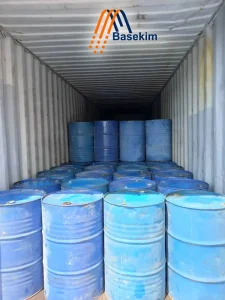
Slack Wax 30% Oil Content is available in several export-oriented packaging options.
Common packaging formats include:
- 25 kg bags
- 50 kg bags
- Carton boxes
- Steel drums
- Jumbo bags
- Customized export packaging
Furthermore, suppliers can adapt packaging according to customer requirements and destination markets.
For international shipments, manufacturers often use palletized packaging to improve handling and transportation efficiency.
A reliable supplier should provide complete export documentation, including certificates of origin, packing lists, invoices, and quality certificates.
For example, Scurea supplies and exports Slack Wax 30% Oil Content to international customers seeking consistent quality and dependable logistics support.
Why Buyers Choose Slack Wax 30%
Global buyers consistently select this product because it balances performance and cost.
Moreover, its versatility allows use across numerous industrial sectors.
Key reasons include:
- Competitive pricing
- Stable industrial quality
- Excellent processing characteristics
- Broad application range
- Strong moisture resistance
- Suitable melting point range
- Availability for bulk export
- Reliable supply chain support
In contrast to highly refined specialty waxes, Slack Wax 30% Oil Content offers practical industrial performance without excessive cost.
Therefore, it remains a preferred solution for manufacturers worldwide.