
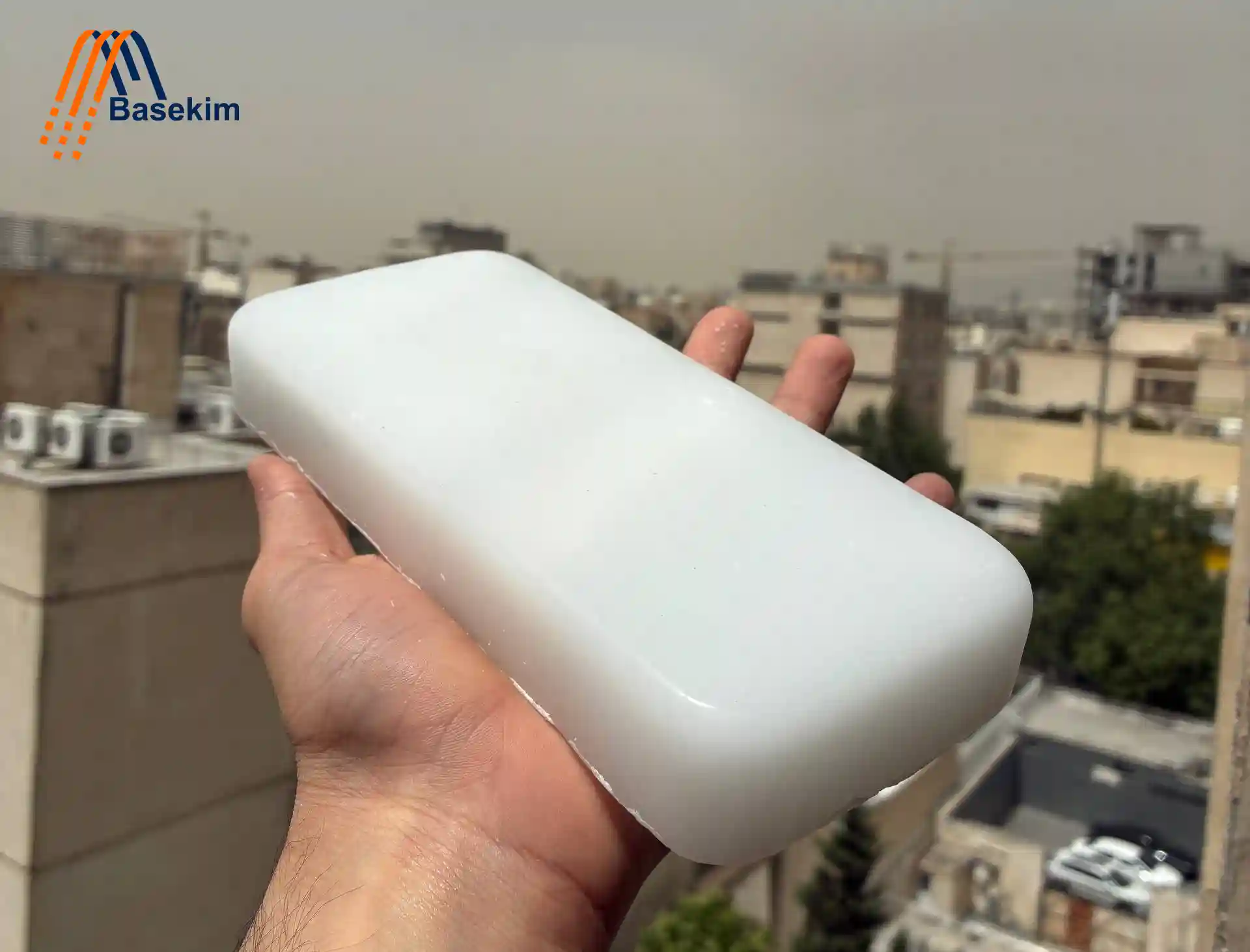
Paraffin Wax 1-3% is a semi refined petroleum wax with low oil content, stable melting behavior, and wide industrial use. Buyers choose Semi Refined Paraffin Wax 1-3% when they need a cost-effective wax for candles, packaging, coatings, rubber, matches, textiles, polishes, and general manufacturing without paying for fully refined grades. This grade gives manufacturers a practical balance between purity, performance, and price.
What Is Paraffin Wax 1-3%?
Paraffin Wax 1-3% refers to a semi refined paraffin wax that contains about 1% to 3% oil. This oil range gives the wax better flexibility than fully refined paraffin wax while keeping a clean, solid, and usable structure. Manufacturers often select this grade when they need reliable wax performance but do not need ultra-low oil content.
Semi Refined Paraffin Wax 1-3% usually comes in slabs, blocks, granules, or cartons. It has a white to slightly off-white color, a smooth solid texture, and a controlled melting point. The exact color, melting range, penetration, and oil content can change based on the refinery process and buyer specification.
This wax works well in many commercial lines because it melts evenly, blends easily, and supports different additives. Producers use it with polymers, microcrystalline wax, stearic acid, resins, pigments, fragrances, and other raw materials to build the final product they need.
Why Buyers Choose Semi Refined Paraffin Wax 1-3%
Industrial buyers want a wax that performs well, ships easily, and fits their budget. Semi Refined Paraffin Wax 1-3% answers those needs. It gives enough refinement for many applications while keeping the price more competitive than fully refined wax.
This grade offers several practical benefits:
- It provides stable hardness for molding, coating, and blending.
- It supports smooth melting during production.
- It gives good water resistance in packaging and coating uses.
- It blends well with other waxes and additives.
- It suits bulk commercial use where price matters.
- It offers better structure than higher-oil paraffin wax grades.
Many factories use 1-3% oil content wax as a standard production wax because it offers predictable results across different industries. Candle makers, coating producers, rubber processors, and packaging manufacturers often keep this grade in regular stock.
Main Applications of Paraffin Wax 1-3%
Candle Manufacturing
Candle producers use Paraffin Wax 1-3% for many candle types, including pillar candles, utility candles, religious candles, decorative candles, and blended wax candles. The low oil content helps the candle keep its shape, while the semi refined structure supports good burning performance when the producer uses the right wick, fragrance, and additives.
This wax can hold color and scent in many formulations. It also works well with stearic acid and other hardening agents. Manufacturers often choose it for cost-sensitive candle production because it gives a solid finish without the higher cost of fully refined paraffin wax.
Packaging and Paper Coating
Paraffin Wax 1-3% creates a moisture-resistant layer on paper, cardboard, and packaging materials. Packaging producers use it when they need better protection against water, grease, and humidity. It can help improve the surface feel and strength of coated paper products.
Food-contact packaging requires the correct grade and compliance documents, so buyers should always confirm technical and regulatory requirements before ordering. For general industrial packaging, Semi Refined Paraffin Wax 1-3% offers strong value and easy processing.
Rubber and Tire Industry
Rubber manufacturers use paraffin wax as a protective and processing aid. It can help reduce surface cracking, support ozone protection, and improve processing behavior in some rubber compounds. Paraffin Wax 1-3% works well in many rubber applications because it has enough hardness and controlled oil content.
Rubber producers often combine it with other waxes or chemical additives to match the final compound. This makes the wax useful in tires, belts, hoses, seals, and molded rubber goods.
Matches and Fire Starters
Match producers use paraffin wax to control burning behavior and improve ignition performance. Semi Refined Paraffin Wax 1-3% can support consistent burning when manufacturers use the right formulation. Fire starter producers also use paraffin wax because it stores energy well and burns steadily.
Textile and Leather Processing
Textile and leather producers use paraffin wax for lubrication, finishing, softening, and water resistance. It can improve the feel of treated materials and reduce friction during processing. Semi Refined Paraffin Wax 1-3% works as a practical option when producers need a balance of performance and cost.
Polishes and Surface Protection
Manufacturers use Paraffin Wax 1-3% in polishes for floors, furniture, cars, and industrial surfaces. The wax can improve shine, water resistance, and surface protection. It also blends with solvents, oils, resins, and other waxes to create the final polish formula.
Wood, MDF, and Board Industries
Wood and board manufacturers may use paraffin wax to improve moisture resistance in particleboard, MDF, and other panel products. The wax helps limit water absorption and supports better board stability. Semi refined wax can work well in these industrial lines because buyers often need large volumes at a competitive price.
Technical Properties Buyers Should Check
Before buying Paraffin Wax 1-3%, buyers should review the technical specification sheet. A professional supplier should provide clear data so the buyer can match the wax with the production process.
Important properties include:
- Oil content: usually between 1% and 3%.
- Melting point: commonly selected based on application needs.
- Color: white to off-white, depending on grade and refinery source.
- Penetration: shows hardness and softness level.
- Viscosity: affects melting, coating, and blending behavior.
- Odor: important for candles, packaging, and polish products.
- Form: slabs, blocks, granules, or cartons.
- Packing: carton, bag, pallet, or bulk shipment.
A buyer should never choose wax only by name. Two products called Semi Refined Paraffin Wax 1-3% can perform differently if they have different melting points, hardness, or production origins. Always match the wax to the application.
Paraffin Wax 1-3% vs Fully Refined Paraffin Wax
Fully refined paraffin wax usually has lower oil content, better color, and higher purity. Manufacturers choose it for products that need a cleaner appearance, lower odor, or stricter quality control. However, fully refined wax costs more.
Paraffin Wax 1-3% gives a more economical option for many industrial uses. It may not reach the same purity level as fully refined wax, but it performs well in many commercial applications. This makes it attractive for factories that need reliable wax in large quantities.
Choose fully refined wax when your product needs maximum whiteness, low odor, or strict purity. Choose Semi Refined Paraffin Wax 1-3% when your product needs dependable industrial performance and better cost control.
Paraffin Wax 1-3% vs Higher Oil Content Paraffin Wax
Higher-oil paraffin wax grades, such as 3–5% or 5–7%, usually feel softer and may show more flexibility. They can work in certain applications, but they may not give the same hardness or stability as the 1–3% grade.
Paraffin Wax 1-3% gives buyers a stronger structure and a cleaner finish than many higher-oil grades. It suits candle molding, coating, rubber processing, and many blended formulations. Buyers often choose it when they want semi refined wax but still need good hardness and controlled performance.
How to Choose the Right Semi Refined Paraffin Wax 1-3%
Start with your final product. A candle factory needs different wax behavior than a rubber plant or paper coating line. Ask these questions before ordering:
- What melting point does your process require?
- Do you need soft or hard wax?
- Will you add fragrance, color, resin, polymer, or oil?
- Do you need white color or only standard industrial color?
- Will the wax touch food packaging or sensitive materials?
- Do you need test reports, MSDS, COA, or origin documents?
- What form do you prefer for feeding into your production line?
A good supplier helps buyers select the correct grade instead of selling only by price. Price matters, but the wrong wax can cause production waste, poor surface finish, weak candles, coating problems, or customer complaints.
Commercial Advantages for Bulk Buyers
Bulk buyers care about more than wax quality. They also need dependable packing, stable supply, export documents, and clear communication. A strong wax purchase should reduce risk across the whole supply chain.
Paraffin Wax 1-3% offers strong commercial value because it moves well in international trade. Exporters can pack it in cartons, bags, or palletized shipments. Buyers can order full container loads for better logistics costs. Regular buyers can also plan repeated shipments based on monthly consumption.
For importers, distributors, and manufacturers, Semi Refined Paraffin 1-3% oil content gives an easy-selling product because many industries already know and use it. It has broad demand, simple storage needs, and flexible application potential.
Scurea supplies paraffin wax for industrial buyers and can support customers who need Semi Refined Paraffin Wax 1-3% for commercial use.
Storage and Handling
Store Paraffin Wax 1-3% in a clean, dry, and covered area. Keep it away from direct sunlight, strong heat, dust, and open flames. Although paraffin wax stays stable under normal storage conditions, poor handling can affect appearance and cleanliness.
Factories should keep wax cartons closed until use. Workers should avoid contamination from dirt, water, and other chemicals. During melting, operators should use controlled heating and avoid overheating. Proper temperature control protects product quality and improves production safety.
Why Quality Consistency Matters
Consistent wax quality protects your production line. If the wax changes from shipment to shipment, your final product may change too. Candle shape, coating thickness, polish texture, rubber protection, and melting behavior can all shift when wax quality changes.
Professional buyers usually test samples before ordering large quantities. They check melting point, color, hardness, odor, and oil content. After approval, they request the same specification for future shipments. This process helps reduce production problems and keeps customers satisfied.
A reliable Paraffin Wax 1-3% supplier should offer stable sourcing, clear specifications, and honest communication about grade differences. This helps buyers avoid confusion between semi refined, fully refined, and slack wax products.
Ordering Paraffin Wax 1-3%
When you request a quote for Paraffin Wax 1-3%, share your exact needs. Include the product name, preferred oil content, melting point, packing, order quantity, destination, and target application. This information helps the supplier recommend the best grade and price.
For example, a candle producer may request a harder wax with good color. A packaging producer may focus on coating performance and moisture resistance. A rubber factory may care more about protective behavior and blending compatibility. Each buyer needs a slightly different specification, even when all of them ask for Semi Refined Paraffin Wax 1-3%.