Relatives Products
- Pharma Grade
- Cosmetic Grade
- Petroleum Jelly Price

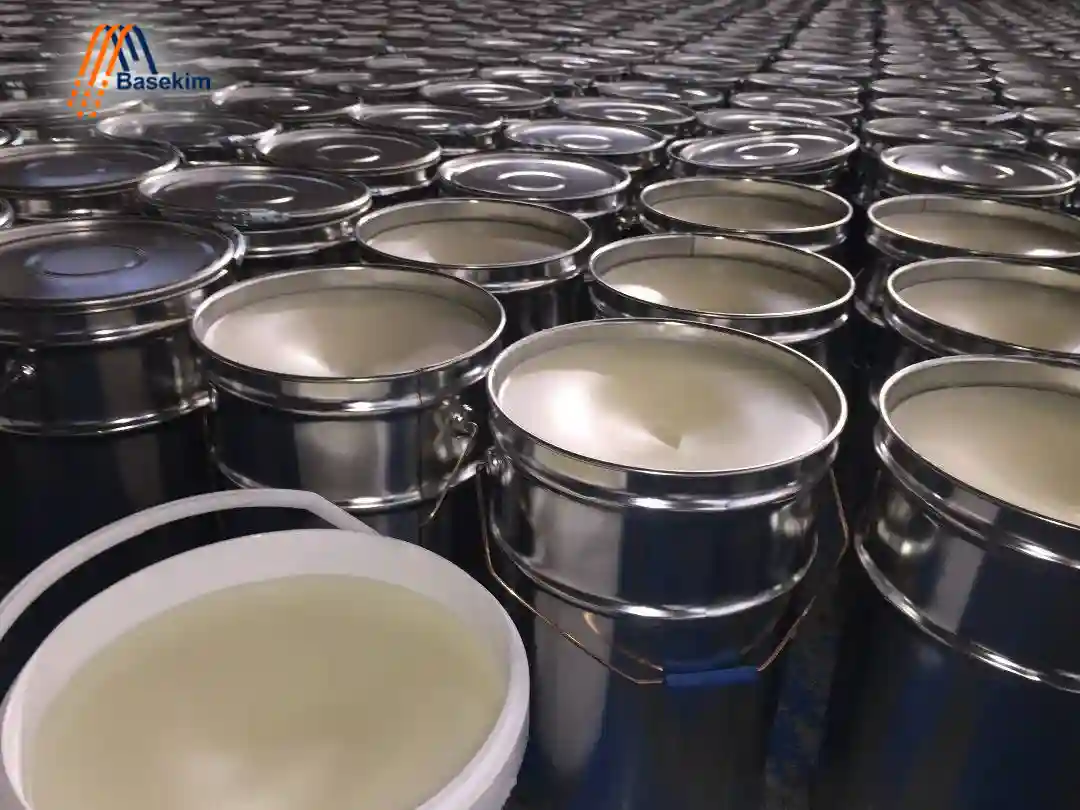
Industrial petroleum jelly supports many modern industries. In fact, manufacturers use it for lubrication, corrosion protection, cable filling, and equipment maintenance. As industries continue to grow, companies need reliable raw materials that deliver stable and long-lasting performance.
As a trusted industrial petroleum jelly supplier, manufacturers provide technical grade petroleum jelly in bulk quantities for industrial use. Unlike cosmetic or pharmaceutical petrolatum, Industrial petrolatum focuses only on technical performance and industrial efficiency. Therefore, industrial buyers select this material for manufacturing, maintenance, and protection systems.
Today, many industries depend on industrial petroleum jelly because it offers strong moisture resistance, smooth lubrication, and excellent surface protection. In addition, it performs well in harsh working environments where equipment faces humidity, oxidation, and friction. As a result, manufacturers and distributors continue to source high-quality industrial petrolatum for daily industrial operations.
Industrial petroleum jelly supports many industries, such as:
Moreover, global buyers need stable bulk supply, export-ready packaging, and dependable delivery support. Because of this, choosing an experienced bulk petroleum jelly supplier helps businesses avoid delays and maintain smooth production.
This guide explains the properties, applications, technical specifications, packaging solutions, and sourcing factors for industrial grade petroleum jelly used in manufacturing industries worldwide.
Industrial petroleum jelly is a semi-solid material made from refined petroleum compounds. Specifically, manufacturers produce it for technical and industrial applications instead of personal care or medical use.
This material offers strong lubrication, water resistance, and surface protection. Therefore, it works well in demanding industrial environments where equipment needs long-term protection.
Manufacturers produce technical grade petroleum jelly through controlled refining and blending processes. During production, they remove unwanted materials while keeping the required consistency and stability.
Usually, Industrial petrolatum contains:
At the same time, manufacturers control production settings to achieve the right:
Unlike cosmetic grades, industrial petroleum jelly focuses on function rather than appearance. Therefore, industrial grades may have different colors or odors depending on the application.
Industrial grade petroleum jelly provides several important technical benefits. For example, it offers:
Because of these features, industries use industrial petrolatum in lubrication systems, maintenance work, and protective coatings.
Industrial petrolatum is very different from cosmetic petroleum jelly or pharmaceutical grades. Most importantly, industrial products focus on technical performance instead of skin safety.
| Feature | Industrial petrolatum | Cosmetic/Pharma Petroleum Jelly |
|---|---|---|
| Main Use | Industrial applications | Personal care and medical |
| Purity Standard | Technical grade | USP/Pharma grade |
| Main Focus | Protection and lubrication | Skin compatibility |
| Color Requirement | Functional | Highly refined |
| Odor Requirement | Moderate | Strict |
| Additives | Allowed for industry | Limited |
As a result, industrial buyers select technical grade petroleum jelly for manufacturing and maintenance work.
The performance of industrial petroleum jelly depends on its physical and chemical properties. Therefore, industrial buyers check technical quality before making purchasing decisions.
Viscosity affects how petroleum jelly flows and spreads on surfaces. Because of this, many industrial applications require stable viscosity across different temperatures.
Proper viscosity helps:
In addition, manufacturers choose petroleum jelly viscosity grades based on machinery and working conditions.
One major benefit of industrial lubricant jelly is its strong resistance to water and moisture. As a result, industries use it in outdoor and humid environments.
Water resistance helps:
Therefore, many companies use petroleum jelly for cable filling and industrial sealing applications.
Technical grade petroleum jelly forms a protective layer over metal surfaces. Consequently, it reduces contact with moisture, oxygen, and contaminants.
This protection helps:
For this reason, industries use petroleum jelly for rust protection during transportation and storage.
Technical grade petroleum jelly remains stable under different temperature conditions. Therefore, it supports smooth industrial operations in changing environments.
Thermal stability improves:
Furthermore, stable thermal performance helps reduce product breakdown during industrial use.
Industries use petroleum jelly for lubrication because it reduces direct contact between moving parts.
Its lubrication benefits include:
Because of this, manufacturers often use petroleum jelly for machinery maintenance and servicing work.
Industrial petroleum jelly usually has a smooth semi-solid texture. Therefore, consistency affects application speed and coating quality.
Good consistency improves:
At the same time, manufacturers can adjust consistency grades for different industrial uses.
Industrial petroleum jelly supports many manufacturing and maintenance operations. In addition, its flexibility makes it useful across several heavy industries.
Cable manufacturers use petroleum jelly for cable filling because it protects internal cable parts from moisture.
Specifically, it helps:
As a result, cable filling compounds require petroleum jelly with strong moisture resistance and stable viscosity.
The rubber industry uses petroleum jelly for rubber industry applications during production and processing.
Common uses include:
Furthermore, it improves manufacturing speed by reducing sticking during production.
Leather manufacturers use Technical grade petroleum jelly during conditioning and finishing work. Consequently, it helps improve flexibility and processing performance.
Benefits include:
Metalworking industries apply petroleum jelly as a protective layer for tools, machinery, and metal parts.
Applications include:
Therefore, industrial petroleum jelly remains important in metal protection systems.
Maintenance teams use petroleum jelly for lubrication in industrial equipment and mechanical systems.
Typical applications include:
In addition, its adhesive texture supports long-lasting lubrication.
Industrial petroleum jelly creates a barrier against environmental exposure. As a result, industries apply it to metal components before shipping and storage.
It protects:
Consequently, companies reduce corrosion-related repair costs.
Maintenance departments use technical petrolatum for many servicing applications.
For example, it supports:
Therefore, it helps increase equipment life and reduce downtime.
Plastic manufacturers use petroleum jelly as a processing aid and release support material. Moreover, it helps improve molding efficiency during production.
Industrial production systems use petroleum jelly to stop surfaces from sticking during molding and forming operations.
As a result, manufacturers achieve smoother production and better processing efficiency.
The cable and electrical sectors depend heavily on industrial petroleum jelly because of its moisture resistance and protective qualities.

Water intrusion can damage cable systems and reduce reliability. Therefore, manufacturers use petroleum jelly to create effective moisture barriers.
This protection helps:
As a result, petroleum jelly remains important in cable protection systems.
Cable filling compounds need stable semi-solid materials with long-term consistency. Because of this, Industrial lubricant jelly provides effective filling performance.
It supports:
Petroleum jelly improves insulation systems by reducing contamination and environmental exposure.
Consequently, it improves:
Electrical systems often face oxidation during long-term operation. However, petroleum jelly helps reduce air exposure and protect conductive surfaces.
As a result, it improves operational reliability.
Industrial petroleum jelly remains one of the most practical materials for lubrication and rust prevention.
Heavy-duty industrial equipment needs continuous protection against friction, moisture, and oxidation.
Therefore, industrial petroleum jelly helps:
Technical grade petroleum jelly works well on many industrial components.
For example, it lubricates:
Additionally, its adhesive properties help maintain long-lasting lubrication.
Manufacturers often coat machinery and spare parts before shipping or warehouse storage. Consequently, components stay protected against harsh conditions.
This coating protects against:
Industrial petroleum jelly also works as a temporary surface coating.
Industries apply it to:
Therefore, it supports both storage protection and equipment maintenance.
Industrial buyers often evaluate petroleum jelly according to technical performance values. However, exact specifications may vary based on industrial use.
Below is a general overview of common petroleum jelly technical specification values.
| Property | Typical Range |
|---|---|
| Appearance | Semi-solid |
| Color | Yellow to brown |
| Odor | Mild hydrocarbon odor |
| Melting Point | 45°C – 65°C |
| Penetration Grade | 120 – 220 |
| Density | 0.80 – 0.90 g/cm³ |
| Oil Content | High |
| Water Resistance | Excellent |
| Oxidation Stability | Good |
| Consistency | Smooth and uniform |
Viscosity affects flow behavior and coating performance. Therefore, different viscosity grades support different industrial applications.
These include:
The melting point affects heat resistance and thermal stability.
Higher melting points improve:
Penetration grade measures softness and consistency. Therefore, manufacturers use this value to choose suitable grades for different applications.
It supports:
Reliable suppliers provide complete technical documents for industrial buyers.
Usually, documentation includes:
Therefore, buyers should always request technical documents before purchasing.
Industrial petrolatum is available in different packaging formats based on logistics and usage needs.
Common packaging options include:
Large industrial operations require reliable bulk supply and export support. Therefore, suppliers must maintain strong packaging and shipping systems.
Most suppliers provide petroleum jelly in drums for industrial storage and transport.
Common packaging sizes include:
A professional petroleum jelly exporter follows strict export handling procedures.
These standards include:
Consequently, international buyers receive safe and compliant shipments.
Global customers need reliable shipping coordination and supply chain management.
Therefore, experienced exporters support:
Many distributors request OEM packaging and private labeling services. As a result, suppliers offer custom branding solutions for regional markets.
This helps businesses:
Selecting the right supplier directly affects product quality and operational stability.
Reliable manufacturers follow strict quality control processes throughout production and packaging.
Key quality measures include:
Industrial buyers should carefully review supplier production capacity and operational scale.
A strong manufacturer can provide:
Professional suppliers help customers with product selection and technical guidance.
For example, they support:
International buyers benefit from suppliers with proven export knowledge.
Experienced exporters understand:
Reliable supply chains reduce production delays and procurement risks.
Therefore, buyers should choose suppliers with:
Choosing the right supplier improves procurement efficiency and business performance. scurea supports industrial buyers with dependable manufacturing and global export solutions for technical grade petroleum jelly.
Scurea supplies industrial petroleum jelly designed for lubrication, manufacturing, and corrosion prevention applications.
Its products support:
International buyers require reliable export logistics and large-volume supply capability.
Bulk packaging options include:
Consistent quality remains essential for industrial operations. Therefore, quality systems help maintain stable technical performance.
Industrial buyers benefit from cost-effective purchasing solutions and long-term supply partnerships.
Professional technical assistance helps customers select the correct petroleum jelly grade for industrial applications.
Efficient logistics systems reduce lead times and improve procurement planning for manufacturers and distributors worldwide.