
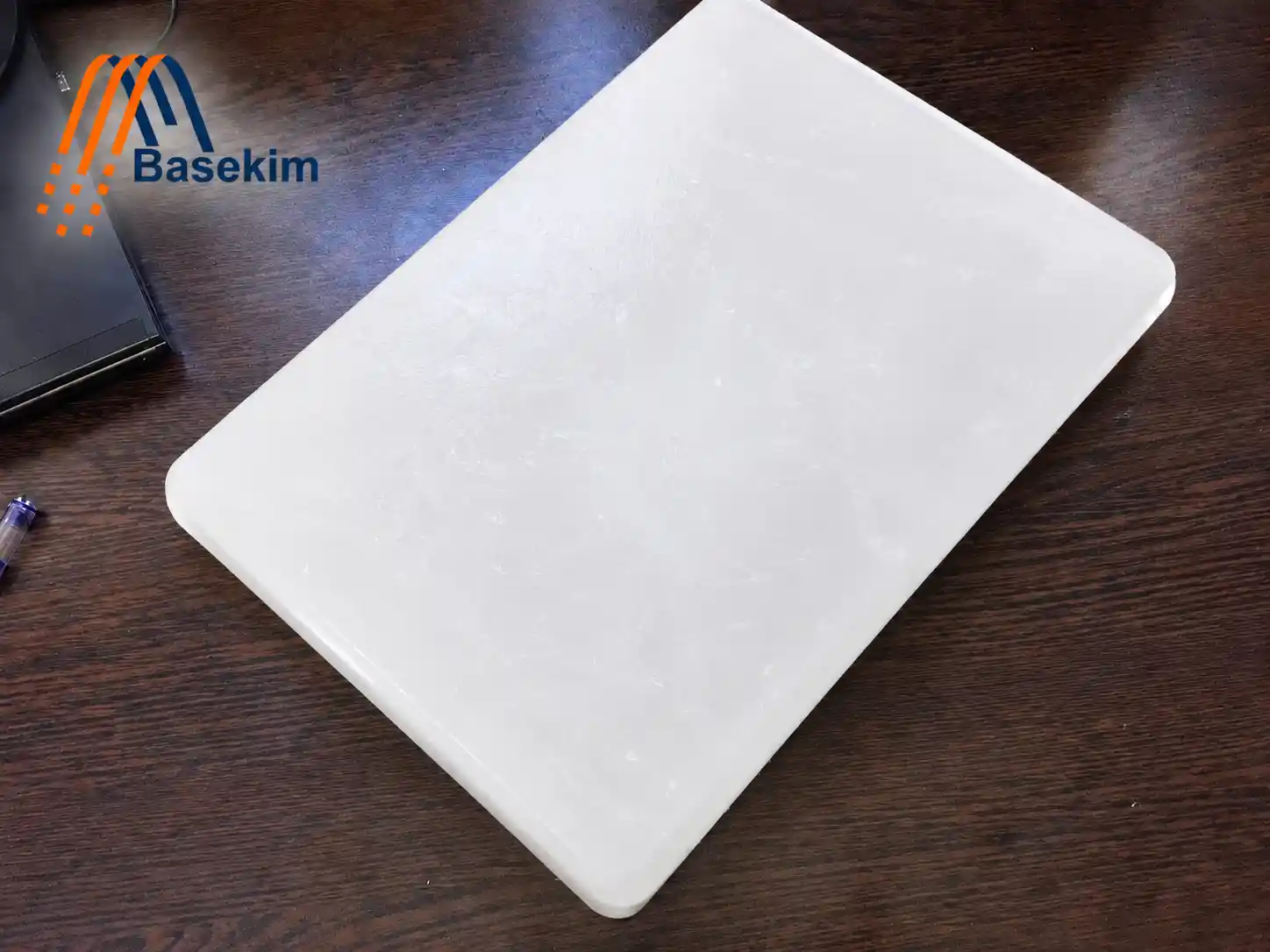
Paraffin Wax 1-1.5% is the right choice for buyers who need a low-oil industrial wax with clean appearance, controlled melting behavior, reliable hardness, and strong performance across candles, packaging, rubber, coatings, polishes, and many other applications. If you are comparing wax grades for production, this grade gives you a practical balance between purity, workability, and price. It offers better consistency than higher-oil waxes while keeping production costs more efficient than fully refined wax in many industrial uses.
What Is Paraffin Wax 1-1.5%?
Paraffin Wax 1-1.5% refers to a paraffin wax grade with an oil content typically between 1% and 1.5%. This low oil level improves hardness, surface finish, color stability, and product consistency. Manufacturers often choose it when they need a cleaner and more stable wax than general semi refined grades with higher oil content.
This grade usually appears white to off-white and comes in slab, granule, or block form depending on supplier availability and buyer requirements. It melts smoothly, blends well with additives, and supports a wide range of industrial processes. For many factories, Semi Refined Paraffin Wax 1-1.5% provides the ideal middle ground between technical performance and commercial value.
Because of its controlled oil content, this wax works well in applications where appearance, shape retention, and stable melting matter. It can support clean candle surfaces, uniform coating layers, protective finishes, and smooth mold release. Buyers who want dependable quality often select this grade for repeat production.
Why Choose Semi Refined Paraffin Wax 1-1.5%?
Semi Refined Paraffin Wax 1-1.5% gives industrial users a strong combination of purity and affordability. Fully refined wax may offer higher purity, but many applications do not require that extra level. Higher-oil semi refined wax may reduce cost, but it can affect finish, hardness, odor, and consistency.
This grade sits in the practical performance zone. It gives manufacturers enough refinement for clean processing while keeping the price competitive for bulk consumption. That makes it attractive for candle factories, packaging producers, rubber compounders, textile processors, wood treatment companies, polish makers, and coating manufacturers.
The low oil content helps reduce greasy texture and improves the final product’s structure. It also supports better surface quality, which matters in visible products such as candles, wax blocks, polishes, and protective coatings. When a production line needs reliable behavior batch after batch, Paraffin Wax 1-1.5% can help reduce waste and improve output control.
Key Benefits of Paraffin Wax 1-1.5%
Paraffin Wax 1-1.5% offers several commercial and technical advantages for industrial buyers.
It provides a cleaner finish than wax with higher oil content. This helps factories produce smoother products with a more professional appearance. It also supports better hardness, so finished items hold their shape more effectively during storage and handling.
The wax melts evenly and blends easily with pigments, fragrances, polymers, resins, oils, and other additives. This feature helps manufacturers develop custom formulas without facing major processing difficulties. It also improves workflow because operators can mix, pour, coat, or apply the wax with predictable results.
Another major advantage is cost control. Semi Refined Paraffin Wax 1-1.5% can reduce raw material costs compared with fully refined wax while still offering strong performance for many applications. This balance makes it suitable for companies that want reliable quality without overpaying for unnecessary specifications.
The wax also provides moisture resistance, insulation, lubrication, and protection. These properties make it useful in packaging, paper coating, rubber processing, metal protection, board manufacturing, and surface treatment.
Common Applications Paraffin Wax 1-1.5%
Manufacturers use Paraffin Wax 1-1.5% in many industries because it offers dependable performance and easy processing.
Candle Production
Candle makers often use Semi Refined Paraffin Wax 1-1.5% for pillar candles, utility candles, religious candles, decorative candles, and blended candle formulas. Its low oil content supports better hardness, cleaner burning behavior, and smoother surfaces. It also accepts dyes and fragrances well when producers use the right formulation.
This wax helps candles keep their shape during storage and transport. It also gives manufacturers a good balance between appearance and cost, especially in high-volume production.
Packaging and Paper Coating
Packaging companies use paraffin wax to improve moisture resistance, surface protection, and barrier performance. Paraffin Wax 1-1.5% can coat paper, cardboard, cartons, and wrapping materials. It helps protect goods from humidity and improves the durability of packaging layers.
Food-related packaging may require specific compliance and documentation, so buyers should always confirm the intended grade and certification before use. For industrial packaging, this wax provides a practical and economical coating solution.
Rubber and Tire Industry
Rubber manufacturers use paraffin wax as a processing aid, protective agent, and anti-ozonant support. In rubber compounds, wax can migrate to the surface and create a protective layer. This layer helps reduce cracking caused by ozone and weather exposure.
Semi Refined Paraffin Wax 1-1.5% offers the stability and consistency needed for rubber processing. Its low oil content helps maintain compound quality and supports controlled formulation.
Polishes and Surface Care Products
Polish makers use paraffin wax in shoe polish, floor polish, furniture polish, car care products, and metal polishing compounds. The wax adds shine, body, protection, and water resistance. It also improves texture and helps create a smooth application feel.
Because Paraffin Wax 1-1.5% has low oil content, it can support a cleaner and firmer polish structure. This helps brands produce stable products with attractive finish quality.
Coatings and Protective Layers
Industrial coating producers use paraffin wax in formulas that need water repellency, gloss control, lubrication, or protective film formation. This wax can help protect metal, wood, paper, and other surfaces from moisture and light abrasion.
It also works in hot-melt systems and blends with other waxes or resins. Buyers can adjust hardness, melting point, and surface feel by combining it with microcrystalline wax, polyethylene wax, EVA, stearic acid, or other materials.
Textile and Leather Processing
Textile processors use waxes for lubrication, yarn treatment, water resistance, and finishing. Leather producers may also use wax in finishing compounds to improve feel, appearance, and protection. Semi Refined Paraffin Wax 1-1.5% gives these industries a consistent base material for controlled application.
PVC, Masterbatch, and Plastic Processing
Plastic and masterbatch manufacturers may use paraffin wax as a lubricant, dispersing aid, or processing modifier. It can improve flow, reduce friction, and support pigment distribution in certain formulas. The right dosage depends on the polymer system, temperature, and final product requirements.
Technical Features Buyers Usually Check
When sourcing Paraffin Wax 1-1.5%, professional buyers often compare several specifications before confirming an order. Oil content is the main factor, but it is not the only one.
Melting point matters because it affects processing temperature, hardness, and final product performance. A higher melting point usually gives better heat resistance and stronger structure. A lower melting point may support easier melting and faster processing.
Color also matters. Many buyers prefer white or clear off-white wax for candles, coatings, and visible products. Odor plays a key role as well, especially in candles, polishes, and consumer-facing goods.
Penetration value shows hardness. Lower penetration usually means harder wax. Viscosity affects flow and coating behavior. Packaging type, slab size, and shipment condition also matter for factories that need efficient handling.
Before placing a bulk order, buyers should request a specification sheet, safety data sheet, and sample when needed. A clear technical comparison helps prevent production problems and supports long-term supplier relationships.
Paraffin Wax 1-1.5% vs Higher Oil Content Wax
The main difference between Paraffin Wax 1-1.5% and higher oil content wax lies in performance stability. Wax with more oil may feel softer, look less clean, or create more variation in final products. It can still work for some low-cost applications, but it may not satisfy buyers who need better finish and consistency.
Semi Refined Paraffin Wax 1-1.5% gives a firmer texture and cleaner appearance. It often performs better in candles, coating, polish, rubber, and packaging applications where quality control matters. It may also reduce surface defects and improve the finished product’s commercial appeal.
For buyers, the decision depends on the target product. If price is the only concern and the application allows more oil, a higher-oil wax may work. If quality, appearance, and repeatability matter, the 1-1.5% grade usually offers a better solution.
How to Select the Right Grade
To choose the right paraffin wax, start with your production process. Check your operating temperature, mixing system, cooling speed, mold design, coating method, and final product requirements. Then compare these needs with the wax specification.
For candle production, focus on melting point, oil content, color, odor, hardness, and compatibility with fragrance, Coating, check viscosity, penetration, melting range, and adhesion behavior. For rubber, review bloom behavior, melting point, and compound compatibility and for polish, study hardness, gloss, blending performance, and texture.
A reliable supplier should help you match the wax grade to your application. Scurea can supply Semi Refined Paraffin Wax 1-1.5% for industrial buyers who need consistent quality and export-ready service.
Packaging and Bulk Supply
Paraffin Wax 1-1.5% usually ships in slabs or blocks packed in bags, cartons, or other export packaging. Bulk buyers often request palletized shipments for easier loading, storage, and warehouse handling. Packaging should protect the wax from dust, moisture, heat, and contamination.
During storage, keep the wax in a dry, cool, and clean place. Avoid direct sunlight and high temperatures because heat can deform blocks or affect handling. Keep the product away from strong odors if you plan to use it in candles, polishes, or consumer products.
For international orders, buyers should confirm packing weight, container capacity, lead time, documentation, origin, and inspection terms before shipment. Clear order details reduce delays and help both sides manage logistics smoothly.
Commercial Advantages for Importers and Manufacturers
Importers choose Semi Refined Paraffin Wax 1-1.5% because it serves many industries and supports repeat sales. One grade can appeal to candle factories, packaging plants, rubber producers, coating manufacturers, and polish makers. This broad demand gives traders more flexibility in the market.
Manufacturers choose it because it helps improve product quality without pushing raw material costs too high. It supports efficient production and reduces the risk of unstable results. When a factory runs large batches, even small improvements in consistency can save time, reduce rejects, and improve customer satisfaction.
This grade also works well for companies that need private formulations. Producers can blend it with other waxes, oils, polymers, pigments, and additives to create products with specific melting points, hardness levels, gloss, or flexibility.
Related Search Terms and Synonyms
Buyers may search for this product using many different terms. Common related queries include low oil paraffin wax, semi refined paraffin wax, industrial paraffin wax, white paraffin wax, slab paraffin wax, paraffin wax for candles, paraffin wax for coating, paraffin wax for rubber, paraffin wax for packaging, low oil content wax, petroleum wax, solid paraffin, wax blocks, paraffin wax supplier, paraffin wax exporter, paraffin wax bulk price, and semi refined wax 1-1.5% oil content.
Using these related terms helps buyers compare grades and understand which wax suits their production line. However, the exact oil content, melting point, and technical data should always guide the final purchase decision.
Why This Grade Is a Smart Buying Choice
Paraffin Wax 1-1.5% gives buyers a strong mix of performance, price, and versatility. It performs well in demanding industrial applications while staying more economical than many fully refined alternatives. It offers cleaner quality than higher-oil waxes and gives manufacturers better control over the final result.
For businesses that need dependable supply, this grade can become a stable raw material for ongoing production. It supports multiple product categories and helps factories meet both quality and cost targets. Whether you produce candles, polish, packaging, rubber goods, coatings, or treated materials, Semi Refined Paraffin Wax 1-1.5% can deliver reliable value.
Before ordering, compare specifications, request documentation, and test the wax in your actual formula. A small technical review before bulk purchase can protect your production line and improve your final product quality.