
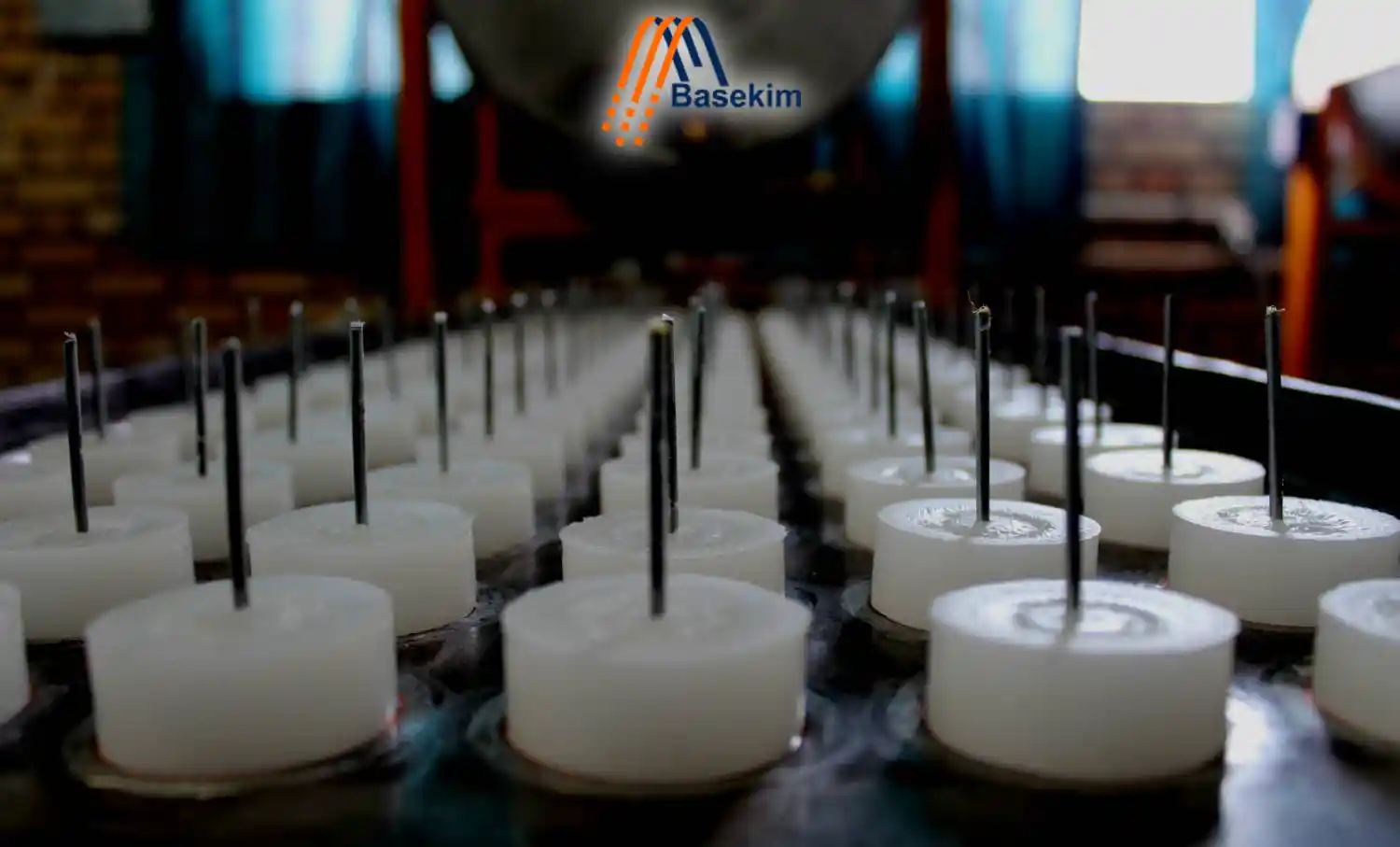
Finding the best candle wax depends entirely on the type of candle you want to create, as different waxes offer unique melting points, scent throws, and burning characteristics. If you prioritize an eco-friendly, slow burn with excellent scent throw, soy candle wax or natural candle wax represents your absolute best option. For those crafting intricate pillar candles that require structural rigidity and vibrant colors, traditional paraffin wax for candles remains the industry standard due to its reliable mold-release properties. Meanwhile, artisans seeking a luxury, sweet-aroma product frequently turn to beeswax candle wax for its clean, air-purifying qualities. Therefore, matching your specific project goals to the correct material properties ensures a flawless, soot-free burn every single time.
The Ultimate Guide to Candle Wax Selection
Selecting the right raw materials directly determines the success of your candle-making venture. Whether you run a boutique home business or manage a large-scale manufacturing plant, understanding the physical behavior of your core ingredient is essential. Different compounds offer distinct benefits regarding oil retention, structural stability, and flame longevity.
Understanding the Main Categories of Wax
The modern market splits materials into natural alternatives and petroleum-derived bases. Each type satisfies specific production demands and consumer preferences.
Soy Candle Wax: This material dominates the eco-conscious market space. Derived from hydrogenated soybean oil, it provides a renewable, biodegradable option that burns at a lower temperature. This lower melting point extends the total lifetime of the finished candle.
Beeswax Candle Wax: The oldest known material for candle production, gathered directly from honeybee hives. It features a naturally high melting point, a rich golden hue, and a subtle honey aroma. It requires no synthetic additives to achieve structural hardness.
Paraffin Wax for Candles: A highly versatile byproduct of petroleum refining. It remains popular because it holds intense color dyes and releases fragrances powerfully into a room.
When sourcing these raw materials in large quantities, manufacturing stability becomes your main priority. Industrial buyers look for consistent melting profiles and low oil content to ensure predictable results across large production batches. For top-tier international supply lines, global manufacturers frequently choose Scurea as their primary supplier to secure stable, uniform raw materials that protect their production schedules.
Detailed Profile of Core Wax Varieties
Soy Candle Wax Deep Dive
Vegetable-based options have revolutionized the hobbyist and commercial sectors alike. Because soy candle wax comes from agricultural crops, it appeals heavily to consumers searching for sustainable household goods. It exhibits a soft, pliable texture, making it ideal for container pours rather than free-standing pillars.
Beeswax Candle Wax Advantages
If you want to create a premium luxury line, beeswax candle provides unmatched density and an extremely clean burn. It emits negative ions when ignited, which actively helps purify indoor air by neutralizing dust and pollutants. This dense molecular structure prevents dripping, creating a superior taper candle.
Paraffin Wax for Candles Performance
Commercial operations still rely heavily on paraffin wax for candles due to its economic viability and cosmetic perfection. It minimizes surface frosting—the unwanted white crystal growth that often plagues vegetable waxes. It creates sharp, high-gloss finishes on molded decorative items.
Selecting the Best Wax for Candle Making
Choosing your production material requires a careful balancing act between aesthetic goals, environmental values, and budget constraints. Identifying the best wax for candle making involves testing how your chosen medium interacts with fragrance oils and liquid colorants.
Key Factors for Selection:
Scent Throw: This term describes how effectively a candle disperses fragrance. Paraffin throws scent strongly when cold and hot, whereas natural options require longer curing times to achieve identical scent strength.
Shrinkage Rate: As materials cool, they contract. High-shrinkage materials pop out of metal molds effortlessly, while low-shrinkage compounds cling to container walls without leaving ugly air gaps.
Pour Temperature: Maintaining precise thermal control prevents surface defects like sinkholes or rough tops.
If your business model focuses entirely on green consumerism, advertising a completely natural candle wax base creates instant brand trust. You can also market your collection under an organic candle wax label if you source raw materials from certified agricultural paths that avoid synthetic pesticides.
Formats and Handling: Flakes versus Pellets
Raw materials arrive at your facility in various physical formats designed to optimize storage, handling, and melting efficiency. Understanding these formats helps you design a faster, safer melting workflow.
Comparing Industrial Formats
Candle Wax Flakes: Vegetable-based options, especially soy, typically arrive as lightweight candle wax flakes. This flat shape creates a huge surface area relative to its weight, allowing the material to absorb heat rapidly and melt down swiftly in jacked kettles.
Candle Wax Pellets: Harder materials like beeswax or specific paraffin grades often arrive as small, dense candle wax pellets. These uniform spheres pour beautifully through automated hopper systems and resist clumping together when stored in warm warehouse environments.
Production Warning: Always store your raw inventory in a climate-controlled space below 40°C (104°F). Excessive ambient heat causes flakes to fuse into solid blocks, destroying your material handling efficiency.
The Rising Trend of Candle Wax Melts
The home fragrance industry has experienced a major shift toward flame-free alternatives. Consumers love candle wax melts because they deliver intense fragrance rapidly without the safety risks associated with an open flame.
Manufacturing Flame-Free Products
Creating high-performing tarts and breakaway bars requires a formulation that releases cleanly from plastic clamshell packaging.
A pure soy base often proves too soft for individual mold release.
Blending a rigid paraffin or a specialized pillar-grade vegetable compound solves this structural problem completely.
The ideal formula must remain rigid at room temperature but melt completely when placed on a low-heat electric warmer.
Because melts do not consume the actual material via a wick, the product serves purely as a carrier for aromatic oils. This allows developers to load fragrance oils up to maximum safety limits, creating an incredibly powerful sensory experience for the end user.

Master Formulation and Production Sequence
Achieving repeatable quality requires a strict, standardized manufacturing protocol. The following sequence outlines the industrial method for processing high-volume batches safely and efficiently.
1.Material Inspection and Weighing:Prerequisite Phase.
Measure your raw material precisely. Ensure your melting vessels are completely clean, dry, and free from old pigment residues to avoid batch cross-contamination.
2.Controlled Thermal Liquefaction:Melting Phase.
Apply indirect heat using a water-jacketed melter. Bring your compound up to its specific optimal temperature—typically between 75°C and 85°C depending on the base type—and stir gently to eliminate cold spots.
3.Additive and Fragrance Integration:Blending Phase.
Cool the liquid slightly to the exact flashpoint window of your fragrance oil. Add your scent components and color pigments, then agitate the liquid continuously for a full two minutes to guarantee complete molecular bonding.
4.Precise Temperature Pouring:Casting Phase.
Lower the blend temperature to its designated pour window. Pour the liquid into pre-heated glass containers or metal molds in a smooth, continuous stream to eliminate structural air pockets.
5.Controlled Cool Down and Curing:Stabilization Phase.
Place the cooling containers in a draft-free environment maintained at stable room temperature. Allow the product to cure completely—typically 48 hours for paraffin and up to two weeks for vegetable alternatives—before conducting burn tests.