
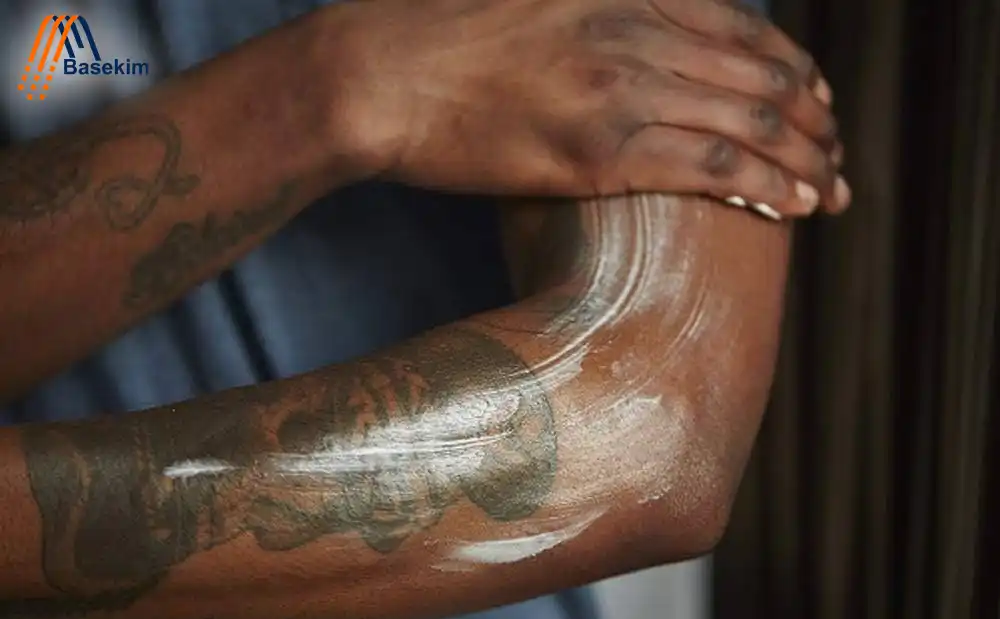
This guide explains everything you need to know about petroleum jelly on tattoos. You will learn how petroleum jelly works, when you should avoid it, how tattoo healing stages affect aftercare, and which products support healthier healing. You will also discover safer alternatives, common tattoo aftercare mistakes, and the difference between Vaseline and Aquaphor for tattoos.
Getting a new tattoo feels exciting, but proper aftercare matters just as much as the tattoo itself. Many people reach for petroleum jelly because they already keep it at home. Others hear mixed advice online and wonder whether Vaseline helps or damages fresh ink.
Petroleum jelly creates a thick protective barrier over the skin. People often use it to lock in moisture, prevent dryness, and soothe irritation. Since a fresh tattoo acts like an open wound, many assume petroleum jelly offers the perfect solution for healing.
However, tattoo artists and skin experts continue to debate the topic. Some people swear by Vaseline for tattoo healing. Others warn that heavy petroleum products may trap bacteria, clog pores, and slow recovery.
How Petroleum Jelly Works on tattoos
Petroleum jelly works by forming a protective seal over the skin. This seal slows water loss and helps skin stay hydrated longer.
Your skin naturally loses moisture throughout the day. Dry weather, washing, and damaged skin increase moisture loss even more. Petroleum jelly creates a barrier that keeps water inside the skin.
That barrier explains why people use petroleum jelly for:
- Dry skin
- Chapped lips
- Minor cuts
- Cracked heels
- Skin irritation
- Tattoo aftercare
Understanding Moisture Barriers
A moisture barrier acts like a shield. It helps skin hold hydration while protecting damaged areas from outside irritants.
Fresh tattoos need balanced moisture during healing. Dry skin may crack, itch, and scab heavily. However, too much moisture may create problems too.
Petroleum jelly traps moisture extremely well. That strength also creates controversy during tattoo healing.
Petroleum Jelly vs Tattoo Aftercare Products
Most tattoo aftercare products contain lighter ingredients than pure petroleum jelly. They often include:
- Humectants
- Vitamins
- Healing oils
- Skin-soothing ingredients
- Breathable moisturizers
Tattoo balms and lotions usually allow more airflow than thick petroleum jelly.
Here’s a quick comparison:
| Product Type | Texture | Breathability | Main Purpose |
|---|---|---|---|
| Petroleum Jelly | Thick | Low | Locks moisture |
| Tattoo Balm | Medium | Moderate | Supports healing |
| Fragrance-Free Lotion | Light | High | Hydrates skin |
| Healing Ointment | Medium | Moderate | Protects damaged skin |
Some suppliers, including Scurea, provide petroleum-based raw materials for skincare and cosmetic manufacturing, which shows how widely petroleum jelly appears in personal care products.
Can You Put Vaseline on a Fresh Tattoo?
You should avoid putting Vaseline on a fresh tattoo during the early healing stage because thick petroleum jelly may trap bacteria, block airflow, and slow healing. A very thin layer may help later during dryness or peeling if you use it carefully.
The Short Answer
You can use Vaseline on a tattoo in certain situations, but you should avoid heavy use on a brand-new tattoo.
Fresh tattoos need oxygen and balanced moisture. Thick petroleum jelly creates a heavy seal that may interfere with healthy healing.
When Vaseline May Help
A tiny amount of petroleum jelly may help if your tattoo becomes:
- Extremely dry
- Tight
- Cracked
- Irritated during peeling
Some people also use petroleum jelly temporarily to protect healed tattoos from harsh weather.
When Vaseline May Hurt
Petroleum jelly may cause problems if you apply too much during early healing.
Potential issues include:
- Trapped sweat
- Blocked airflow
- Excess moisture
- Increased bacteria growth
- Delayed tattoo healing
Understanding Tattoo Healing Stages
Tattoo healing happens in stages. Each stage needs different care.
Stage 1: Fresh Tattoo (Days 1–3)
Your tattoo acts like an open wound during this phase.
You may notice:
- Redness
- Swelling
- Oozing plasma
- Tenderness
Avoid thick petroleum products during this stage.
Stage 2: Scabbing and Peeling (Days 4–14)
Your skin starts repairing itself.
Common signs include:
- Flaking
- Peeling
- Itching
- Light scabbing
Some people use a tiny amount of petroleum jelly during this stage if dryness becomes severe.
Stage 3: Surface Healing (Weeks 2–4)
The outer layer closes and strengthens.
Your tattoo may still feel:
- Dry
- Tight
- Sensitive
Light moisturizers usually work better than thick occlusive products at this point.
Benefits of Petroleum Jelly for Tattoos
Petroleum jelly does offer some benefits when used carefully.
1. Moisture Retention
Petroleum jelly locks moisture into damaged skin extremely well.
This helps reduce:
- Dry patches
- Tightness
- Flaking
Dry tattoos often feel uncomfortable during healing. A protective barrier may ease discomfort temporarily.
2. Protection Against Cracking
Overly dry tattoos may crack and scab more aggressively.
Petroleum jelly helps soften dry skin and reduce surface cracking.
3. Skin Barrier Support
Fresh tattoos weaken the skin barrier.
Petroleum jelly creates temporary protection against:
- Wind
- Friction
- Dry air
This support may help irritated skin feel calmer.
4. Reduced Irritation
Some people experience intense itching during tattoo healing.
A tiny amount of petroleum jelly may reduce irritation caused by excessive dryness.
5. Affordable and Easy to Find
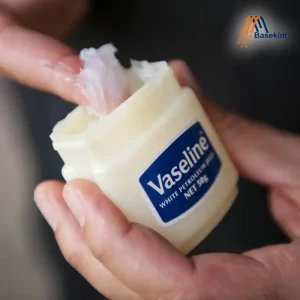
Vaseline remains inexpensive and widely available.
You can find petroleum jelly in:
- Drugstores
- Grocery stores
- Pharmacies
- Online shops
Risks of Using Vaseline on Tattoos
Vaseline may harm tattoo healing when users apply thick layers because petroleum jelly traps bacteria, blocks airflow, and creates excess moisture that slows skin recovery.
Despite its benefits, petroleum jelly carries several risks for fresh tattoos.
1. Trapped Bacteria
Fresh tattoos release fluid during healing. Thick petroleum jelly traps that moisture against the skin.
Warm, damp environments encourage bacteria growth.
That risk increases infection chances.
2. Over-Moisturizing
Many people apply far too much ointment.
An over-moisturized tattoo may appear:
- Puffy
- Soggy
- Sticky
- Extremely shiny
Too much moisture weakens healing skin.
3. Slower Healing
Fresh tattoos need airflow.
Petroleum jelly creates a heavy barrier that may slow skin recovery.
Many tattoo artists prefer breathable tattoo aftercare products instead.
4. Clogged Pores
Petroleum jelly may clog pores in some people.
Clogged pores may lead to:
- Bumps
- Acne-like irritation
- Skin congestion
This issue becomes more common in oily skin areas.
5. Increased Tattoo Irritation
Some people react poorly to thick occlusive products.
Signs of irritation include:
- Redness
- Burning
- Rash
- Increased itching
6. Infection Concerns
Improper tattoo aftercare increases infection risks.
Watch for warning signs like:
- Thick discharge
- Severe swelling
- Fever
- Spreading redness
- Strong pain
Seek medical care if symptoms worsen.
What Tattoo Artists Recommend
Most tattoo artists avoid recommending petroleum jelly during early tattoo healing.
Why Artists Avoid Thick Petroleum Products
Tattoo artists want tattoos to heal cleanly and evenly.
Heavy petroleum products often create problems because they:
- Block airflow
- Trap sweat
- Hold bacteria near broken skin
- Encourage over-moisturizing
Artists usually prefer products that balance moisture while allowing the skin to breathe.
Breathable Tattoo Aftercare Routines
Most modern tattoo aftercare routines follow these basic steps:
- Wash gently
- Pat dry carefully
- Apply thin moisturizer
- Keep the tattoo clean
- Avoid soaking the area
Common Products Artists Recommend
Artists often suggest:
- Aquaphor
- Fragrance-free lotion
- Tattoo balm
- CeraVe
- Lubriderm
These products usually feel lighter than petroleum jelly.

How to Use Petroleum Jelly For Tattoos Correctly
If you use petroleum jelly on a tattoo, apply only a very thin layer on clean, dry skin during later healing stages. Avoid thick coatings and stop use if irritation appears.
If you decide to use petroleum jelly, proper application matters.
Step 1: Wash Your Hands
Dirty hands introduce bacteria.
Always clean your hands thoroughly before touching your tattoo.
Step 2: Clean the Tattoo Gently
Use lukewarm water and mild fragrance-free soap.
Avoid scrubbing.
Step 3: Pat the Area Dry
Use a clean paper towel or soft cloth.
Do not rub the tattoo.
Step 4: Apply a Very Thin Layer
Use only a tiny amount of petroleum jelly.
Your tattoo should never look greasy or heavily coated.
Step 5: Avoid Overuse
Too much product creates healing problems.
Apply petroleum jelly sparingly and only when necessary.
Step 6: Watch for Irritation
Stop using petroleum jelly if you notice:
- Increased redness
- Rash
- Burning
- Pimples
- Excess moisture
Best Alternatives to Petroleum Jelly on Tattoos
Several products support tattoo healing better than petroleum jelly.
1. Aquaphor
Aquaphor contains petroleum but also includes additional healing ingredients.
Benefits include:
- Better breathability
- Added skin support
- Less heaviness
Many tattoo artists recommend Aquaphor during early healing.
2. Tattoo Balm
Tattoo balms often contain:
- Shea butter
- Beeswax
- Plant oils
- Vitamins
These products usually balance moisture without feeling too thick.
3. Fragrance-Free Lotion
Fragrance-free lotion works well during peeling and later healing.
Look for lotions without:
- Alcohol
- Perfume
- Dyes
4. Coconut Oil
Coconut oil offers lightweight moisture for some people.
However, oily skin types may experience clogged pores.
5. CeraVe
CeraVe products support the skin barrier with ceramides and gentle hydration.
Many people use CeraVe during later tattoo healing.
6. Lubriderm
Lubriderm remains a popular tattoo moisturizer because it feels lightweight and absorbs quickly.
Vaseline vs Aquaphor for Tattoos
Aquaphor usually works better than Vaseline during early tattoo healing because it feels lighter, allows more airflow, and contains additional skin-support ingredients.
Ingredient Comparison
| Feature | Vaseline | Aquaphor |
|---|---|---|
| Main Ingredient | Petroleum Jelly | Petroleum + Humectants |
| Texture | Thick | Medium |
| Breathability | Lower | Better |
| Healing Support | Basic barrier | Added hydration |
| Best Use | Dryness protection | Early tattoo healing |
Texture Comparison
Vaseline feels thick and greasy.
Aquaphor spreads more easily and feels lighter on the skin.
Healing Support Comparison
Aquaphor contains ingredients that help support healing skin.
Vaseline mainly locks moisture into the area.
Breathability Comparison
Fresh tattoos need airflow.
Aquaphor usually allows better breathability than pure petroleum jelly.
Which Works Better During Each Healing Stage?
| Healing Stage | Better Choice |
|---|---|
| Fresh Tattoo | Aquaphor |
| Peeling Tattoo | Fragrance-Free Lotion |
| Dry Healed Tattoo | Vaseline or Lotion |
| Long-Term Moisture | Lightweight Lotion |
Common Mistakes People Make
Tattoo aftercare mistakes can damage healing results.
1. Applying Too Much Ointment
More product does not improve healing.
Heavy layers create an over-moisturized tattoo.
2. Using Scented Lotion
Fragrances may irritate healing skin.
Always choose fragrance-free lotion during recovery.
3. Touching Tattoos With Dirty Hands
Fresh tattoos stay vulnerable to bacteria.
Wash your hands before every touch.
4. Overwashing the Tattoo
Too much washing dries out healing skin.
Clean your tattoo gently two or three times daily.
5. Picking Scabs
Picking tattoo scabbing may remove ink and cause uneven healing.
Allow flakes and scabs to fall naturally.
Frequently Asked Questions Petroleum Jelly on Tattoos
Can Vaseline Ruin a Tattoo?
Vaseline may cause healing problems if you apply thick layers on a fresh tattoo, but careful and limited use usually does not ruin a tattoo completely.
Improper use increases risks like clogged pores, trapped bacteria, and delayed healing.
Does Petroleum Jelly Fade Tattoos?
Petroleum jelly itself does not directly fade tattoos.
However, poor healing caused by over-moisturizing or infection may affect tattoo appearance.
Is Aquaphor Better Than Vaseline?
In most cases, yes.
Aquaphor usually supports tattoo healing better because it feels lighter and includes additional skin-support ingredients.
Can I Use Vaseline on a Peeling Tattoo?
You may use a tiny amount if the tattoo feels extremely dry.
Avoid thick applications.
Light fragrance-free lotion often works better.
How Long Should I Moisturize a Tattoo?
Most people moisturize tattoos for two to four weeks during healing.
Some continue using tattoo moisturizer long-term to maintain skin health and tattoo appearance.
What Happens if I Over-Moisturize a Tattoo?
An over-moisturized tattoo may become:
- Sticky
- Puffy
- Soft
- Irritated
Excess moisture may slow healing and increase infection risks.
Can Petroleum Jelly Clog Tattoo Pores?
Yes, petroleum jelly may clog pores in some people.
This issue appears more often in oily or acne-prone skin.
Final Verdict
Petroleum jelly on tattoos creates both benefits and risks.
Vaseline can protect dry skin and reduce cracking when used correctly. However, thick petroleum layers may trap bacteria, block airflow, and slow tattoo healing during early recovery.
Most tattoo artists recommend lighter and more breathable tattoo aftercare products for fresh tattoos. Aquaphor, fragrance-free lotion, tattoo balm, CeraVe, and Lubriderm usually offer safer support during healing.
If you decide to use petroleum jelly, apply only a very thin layer on clean skin and avoid heavy overuse. Pay close attention to irritation, clogged pores, or excessive moisture.
Healthy tattoo healing depends on balance. Your tattoo needs cleanliness, airflow, hydration, and patience. Smart aftercare protects both your skin and your artwork for years to come.
Quick Tattoo Aftercare Checklist
- Wash hands before touching your tattoo
- Clean gently with fragrance-free soap
- Pat dry carefully
- Apply thin moisturizer layers
- Avoid thick petroleum coatings
- Never pick peeling skin or scabs
- Keep the tattoo clean and breathable
- Avoid direct sun during healing
- Drink water and support healthy skin