
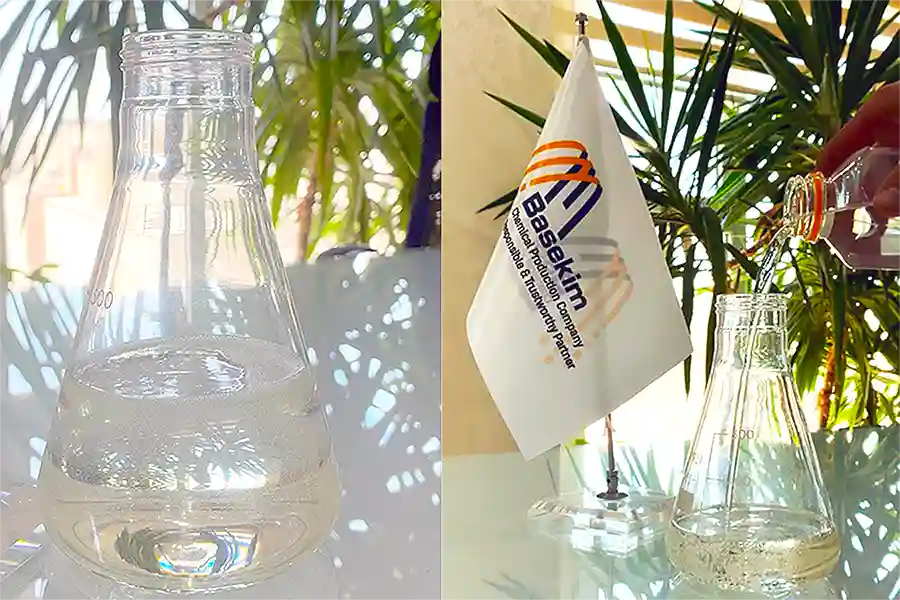
Liquid paraffin is a highly refined mineral oil used extensively in the pharmaceutical, cosmetic, and industrial sectors due to its high purity, chemical stability, and non-reactive nature. Also known as white oil or paraffinum liquidum, it exists in two primary grades: light and heavy. Manufacturers produce paraffin oil through the rigorous distillation of petroleum, removing all impurities, colors, and odors to create a product that acts as an effective lubricant, emollient, and moisture barrier. Because it remains inert and does not support bacterial growth, it is a preferred ingredient for everything from baby lotions and medical ointments to high-performance industrial machinery.
The Comprehensive Guide to Liquid Paraffin
When industries seek a reliable, stable, and versatile hydrocarbon, liquid paraffin remains the top choice. This substance is not a single chemical compound but a complex mixture of saturated hydrocarbons. Its lack of reactivity is its greatest strength, allowing it to serve as a carrier or protective agent in delicate chemical formulations.
The Manufacturing Process: From Crude to Clear
The journey of liquid paraffin begins with the distillation of crude oil. However, the technical-grade oils used in automotive engines are far removed from the high-purity oil used in hospitals. Refiners use a process called hydro-hydrogenation or acid treatment to strip away aromatics, sulfur, and nitrogen compounds.
The resulting paraffin oil is a “white oil” that meets strict pharmacopeia standards such as USP (United States Pharmacopeia) or BP (British Pharmacopoeia). This intensive refining ensures that the product is non-toxic and safe for human contact.
Technical Specifications and Chemical Properties
Understanding the liquid paraffin chemical properties is essential for any formulator or engineer. Because the oil consists of long-chain alkanes, it does not possess functional groups that would make it prone to oxidation or rancidity.
1. Liquid Paraffin Density
The liquid paraffin density typically ranges between 0.820 g/cm³ and 0.890 g/cm³. This property is critical when calculating mixing ratios in large-scale industrial vats. Light variants are less dense, allowing them to spread easily, while heavy variants provide more substance and “body” to products.
2. Liquid Paraffin Boiling Point
The liquid paraffin boiling point is remarkably high, usually exceeding 300°C (572°F). This thermal stability allows the oil to function in high-heat environments, such as industrial heating baths or high-speed machinery, without vaporizing or breaking down into dangerous sub-components.
3. Solubility and Stability
The oil is completely insoluble in water and alcohol but dissolves readily in ether and chloroform. This hydrophobic nature makes oil paraffin an elite moisture barrier, preventing water loss from the skin or preventing rust on metal surfaces.
Light vs. Heavy: Choosing the Right Grade
The market divides this product into two categories based on kinematic viscosity. Choosing between them depends entirely on the intended application.
Light Liquid Paraffin Uses
Light liquid paraffin (LLP) features a lower viscosity, making it thin and easy to pour.
- Aerosols: Its low density allows it to be atomized easily in spray formulations.
- Hair Care: It adds shine to hair oils without leaving a heavy, sticky residue.
- Textiles: It lubricates high-speed spinning frames where a thicker oil would cause drag.
Heavy Liquid Paraffin Uses
Heavy liquid paraffin (HLP) has a thicker, syrupy consistency.
- Internal Medicine: Doctors prescribe it as a lubricant laxative because the body does not absorb it.
- Industrial Gear: It provides a thick film of protection for heavy-duty gears.
- Protective Coatings: It is used to coat tools and metal parts for long-term storage.
Diverse Industrial Uses of Liquid Paraffin
The scope of liquid paraffin industrial uses is staggering. It is a silent worker in almost every manufacturing plant worldwide.
1. Cosmetics and Personal Care
In the beauty world, liquid paraffin is a legendary emollient. It forms a thin film over the skin, preventing “Transepidermal Water Loss” (TEWL). You will find it in:
- Cold creams and moisturizing lotions.
- Cleansing balms and makeup removers.
- Baby oils (where it is often the primary ingredient).
2. The Pharmaceutical Sector
Beyond its use as a laxative, liquid paraffin serves as a base for many medicated ointments. Because it is chemically inert, it does not react with the active pharmaceutical ingredients (APIs), ensuring the medication remains stable throughout its shelf life.
3. Food Industry Applications
Food-grade liquid paraffin is used to maintain hygiene and freshness.
- Egg Preservation: Coating eggs with a thin layer of oil seals the pores, extending shelf life.
- Confectionery: It gives chocolates a glossy finish and prevents candies from sticking to their molds.
- Equipment Lubrication: Food-safe machinery requires a lubricant that won’t contaminate the food if accidental contact occurs.
4. Plastics and Rubber Manufacturing
During the production of plastics, liquid paraffin acts as a powerful plasticizer. It increases the flexibility of the material and helps the plastic flow through molds during the injection process. In rubber production, it helps control the hardness of the final product.
5. Agriculture and Pest Control
Farmers utilize liquid paraffin as an eco-friendly pesticide. By spraying a fine mist of the oil on crops, they can suffocate aphids, mites, and scale insects. Unlike chemical toxins, the insects cannot develop a resistance to this physical mode of action.
Sourcing and Wholesale Market Dynamics
Finding a reliable liquid paraffin oil manufacturer is the foundation of a stable supply chain. Global industries require thousands of tons of this material annually, leading to a robust wholesale market.
Liquid Paraffin Wholesale Price
Several factors influence the liquid paraffin wholesale price:
- Refining Grade: Industrial-grade oil is cheaper than the ultra-pure “Food Grade” or “Pharma Grade.”
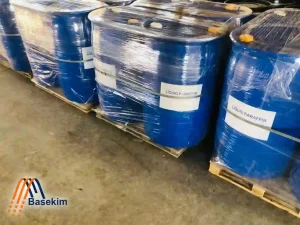
- Packaging: Prices vary depending on whether you purchase in bulk vessels, flexitanks, or 200L steel drums.
- Global Oil Trends: Since petroleum is the feedstock, fluctuations in Brent or WTI crude prices eventually trickle down to the paraffin market.
Identifying a Quality Liquid Paraffin Supplier
A top-tier liquid paraffin supplier must provide consistent batch quality. Inconsistency in viscosity can ruin a batch of cosmetic cream or cause industrial machinery to overheat. Leading providers like Scurea have built reputations on delivering high-purity oils that meet international safety standards, ensuring that their clients’ production lines run without interruption.
Safety and Handling: The Liquid Paraffin MSDS
Safety is a critical component of industrial management. Every professional handling this substance should be familiar with the liquid paraffin MSDS.
Key Safety Insights:
- Fire Safety: While not classified as “flammable,” liquid paraffin is combustible. It requires a high-intensity heat source to ignite, but once burning, it produces intense heat. Carbon dioxide or foam extinguishers are recommended.
- Storage: Keep the oil in a cool, dry place. Exposure to direct sunlight for extended periods can cause slight yellowing, though it rarely affects the chemical properties.
- Environmental Protection: You must never pour liquid paraffin down the drain. It can create “fatbergs” in sewers and coat the surface of water bodies, harming aquatic ecosystems. Always follow local regulations for hazardous waste disposal.
Why Modern Industry Depends on Liquid Paraffin
Despite the emergence of bio-based oils, liquid paraffin remains indispensable. Its shelf life is virtually indefinite if stored correctly, and its price-to-performance ratio is unmatched. Vegetable oils can oxidize and turn rancid, but this mineral oil stays clear and odorless for years.
In the world of high-precision manufacturing, the reliability of liquid paraffin ensures that tolerances are met and consumer safety is guaranteed. From the simple act of moisturizing a child’s skin to the complex cooling of a high-voltage transformer, this oil plays a pivotal role in modern life.
Summary for Procurement Professionals:
When you buy this product , you are investing in the stability of your product. Whether you need the light version for a cosmetic spray or the heavy version for industrial gear lubrication, always prioritize purity. Check the liquid paraffin density to ensure it matches your formulation needs, and keep the liquid paraffin MSDS on hand for your safety compliance teams. By choosing a high-quality liquid paraffin, you ensure the longevity and reliability of your own end-products.