
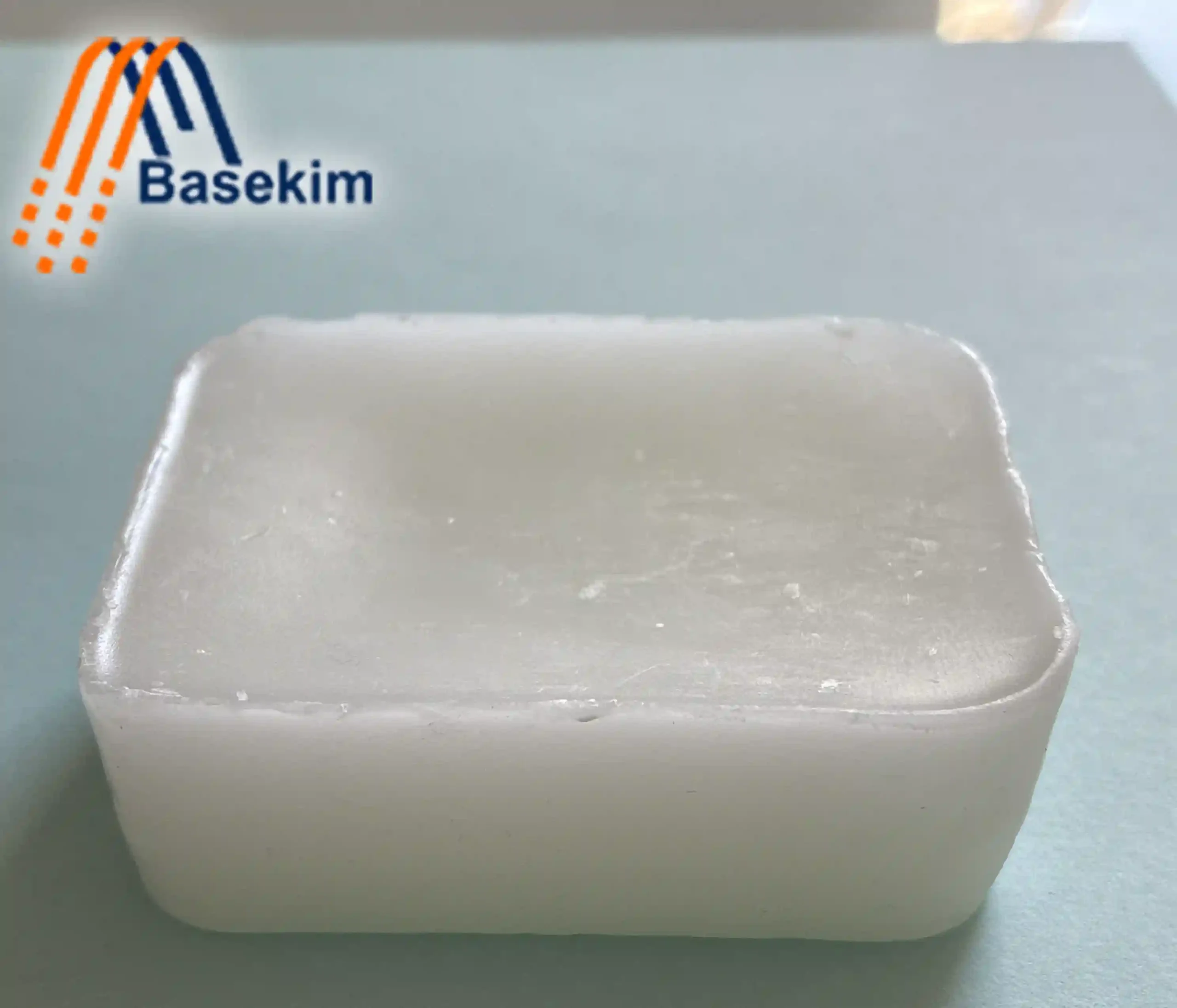
Paraffin wax 0.5% is a controlled low-dose wax additive used to improve surface protection, moisture resistance, gloss, lubrication, and processing performance in many industrial formulations. Buyers choose this concentration when they need the benefits of paraffin wax without changing the main character of the final product. It works well in coatings, candles, packaging, rubber, polishes, adhesives, masterbatches, and specialty blends where a small wax percentage can support better finish, stability, and handling.
When you source Fully refined paraffin wax 0.5% you do not only buy wax. You buy consistency, predictable melting behavior, clean appearance, and smooth integration into your production line. A 0.5% paraffin wax dosage can help manufacturers adjust performance while keeping cost, texture, and formulation balance under control.
What Is Paraffin Wax 0.5%?
Paraffin wax 0.5% usually refers to a formulation, blend, or application ratio where paraffin wax forms 0.5% of the total product weight. This low concentration allows manufacturers to use paraffin wax as a functional additive rather than the main raw material.
In many industries, this level supports surface improvement, water repellency, anti-blocking performance, lubrication, gloss control, and process stability. The exact effect depends on the final product, wax grade, melting point, oil content, particle form, and production temperature.
Manufacturers often use paraffin wax 0.5% when they need a light wax effect. It can improve product performance without creating excessive softness, greasiness, opacity, or wax bloom. This makes it a practical option for technical formulations that require careful balance.
Why Choose a 0.5% Paraffin Wax Addition?
A small paraffin wax percentage can create a clear performance difference. Many producers prefer 0.5% because it offers a controlled and economical way to test or improve a formulation.
At this level, paraffin wax may help:
- Improve moisture resistance
- Support smoother processing
- Add light surface protection
- Increase slip and lubrication
- Reduce sticking or blocking
- Improve gloss or surface feel
- Support coating uniformity
- Improve release properties
- Control cost in bulk production
This dosage gives formulators flexibility. They can adjust performance without overloading the formula with wax. That matters in products where too much wax may affect hardness, adhesion, printability, color, or flexibility.
Commercial Uses of Paraffin Wax 0.5%
Paraffin wax 0.5% serves many industrial and commercial applications. It works as a minor additive in formulas where performance improvement matters more than high wax loading.
Coatings and Surface Protection
In coating systems, paraffin wax 0.5% can improve water resistance, surface smoothness, and light barrier protection. It can also help reduce friction and improve the feel of the coated surface.
Manufacturers may use this wax level in paper coatings, board coatings, wood finishes, protective layers, and specialty surface treatments. It can support a cleaner finish while helping the final product resist moisture and handling damage.
Candle and Wax Blends
In candle production, paraffin wax 0.5% may appear as a modifying component in specialty blends. A small amount can help adjust hardness, surface finish, opacity, burn behavior, or release from molds.
Candle makers often combine paraffin wax with other waxes, oils, fragrances, pigments, or additives. A low percentage can fine-tune the blend without overwhelming the main wax base.
Rubber and Tire Applications
Paraffin wax can support rubber processing and surface protection. At a 0.5% level, it may help improve processing flow, surface lubrication, and protection against environmental exposure.
Rubber manufacturers may use paraffin wax in compounds, molded goods, profiles, seals, hoses, and technical rubber products. The correct grade can help improve production efficiency and product durability.
Packaging Materials
Packaging producers use paraffin wax to improve barrier properties, moisture resistance, and surface smoothness. A 0.5% addition can support packaging performance without making the material feel overly waxy.
It can fit into paper packaging, board treatments, flexible packaging components, and specialty protective layers. This makes it useful for producers that want better handling and product protection.
Adhesives and Hot Melt Systems
Paraffin wax can help control viscosity, setting time, open time, and surface behavior in adhesive systems. A 0.5% dosage may support flow and processing while keeping the adhesive’s bonding profile stable.
In hot melt and pressure-sensitive systems, small wax additions can help formulators improve production handling and final performance.
Polishes and Care Products
Paraffin wax can improve gloss, smoothness, and protective film formation in polishes and care formulations. A 0.5% concentration may work in shoe polish, furniture polish, automotive care products, and specialty maintenance products.
The low dosage helps create a light wax effect without making the product too thick or difficult to spread.
Plastic and Masterbatch Applications
Plastic processors may use paraffin wax as an internal or external lubricant. At 0.5%, it can support better flow, easier processing, and smoother surface results.
It can work in masterbatch, PVC compounds, color concentrates, extrusion, molding, and filled plastic systems. The correct wax grade helps reduce friction during processing and supports consistent output.
Key Benefits of Paraffin Wax 0.5%
Paraffin wax 0.5% offers several commercial advantages for manufacturers, distributors, and industrial buyers.
Controlled Performance
A low wax percentage helps formulators improve performance without major formula changes. This makes it easier to test, scale, and maintain product consistency.
Cost Efficiency
Since the dosage remains low, manufacturers can improve selected properties while keeping raw material costs under control. This creates a strong value for large-scale production.
Easy Integration
Paraffin wax can blend with many oils, polymers, resins, waxes, and additives when the process uses suitable temperature and mixing conditions. This helps production teams add it without complex changes.
Improved Surface Quality
Many products benefit from a smoother surface, better slip, improved gloss, or reduced tack. Paraffin wax 0.5% can support these effects in a subtle and controlled way.
Moisture Protection
Paraffin wax naturally resists water. Even at low levels, it can support moisture barrier performance in coatings, packaging, and protective formulations.
Processing Support
In plastic, rubber, adhesive, and coating systems, paraffin wax can improve flow, reduce friction, and support smoother manufacturing.
Important Specifications to Check Before Buying
Before purchasing paraffin wax 0.5%, buyers should check the technical details of the wax grade. The best option depends on the application and production method.
Key specifications may include:
- Melting point
- Oil content
- Color
- Needle penetration
- Viscosity
- Odor
- Purity
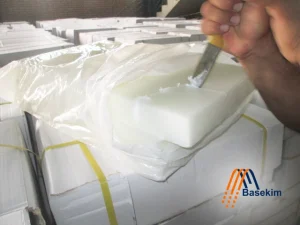
- Form: slab, granule, powder, flake, or pastille
- Packaging type
- Food-grade or industrial-grade requirement
- Compatibility with other raw materials
A coating producer may need a different wax profile than a candle manufacturer or rubber compounder. Always match the wax grade to the final product goal.
Paraffin Wax 0.5% vs Higher Wax Dosages
Higher paraffin wax levels can create stronger wax effects, but they can also change texture, hardness, adhesion, color, transparency, and processing behavior. A 0.5% dosage gives manufacturers a balanced option when they need controlled improvement.
For example, a high wax concentration may increase water resistance but reduce coating adhesion. It may improve lubrication but lower mechanical strength. It may create gloss but also cause surface bloom. A 0.5% level helps reduce these risks while still delivering functional benefits.
This makes it suitable for formulas that need light modification rather than heavy wax loading.
How to Use Paraffin Wax 0.5% in Production
The correct use method depends on the product type. In many systems, manufacturers add paraffin wax during the heating, melting, compounding, or mixing stage. The wax must disperse evenly to deliver stable performance.
For best results, production teams should:
- Choose the correct wax grade
- Confirm the melting point fits the process
- Add wax at the right temperature
- Mix until fully dispersed
- Test compatibility with other ingredients
- Run a small batch before full production
- Check final product performance after cooling or curing
A 0.5% dosage works best when the wax spreads evenly throughout the system. Poor dispersion can cause uneven performance, surface spots, or inconsistent texture.
Who Buys Paraffin Wax 0.5%?
Paraffin wax 0.5% suits manufacturers and industrial buyers that need precise formulation control. Common buyers include:
Coating manufacturers
- Candle producers
- Packaging companies
- Rubber compounders
- Plastic processors
- Adhesive manufacturers
- Polish and care product brands
- Chemical distributors
- Masterbatch producers
- Industrial formulation labs
These buyers often value consistent supply, stable quality, technical support, and reliable packaging.
Using the correct phrase depends on the buyer’s industry. A rubber buyer may focus on processing and protection. A packaging buyer may focus on moisture barrier performance. A candle producer may focus on melting behavior, hardness, and finish.
Why Quality Matters in Low-Dose Wax Applications
Some buyers assume that a small wax percentage does not require strict quality control. In reality, low-dose applications often need very consistent raw materials. A small change in oil content, melting point, or color can affect final product performance.
Reliable paraffin wax 0.5% supply helps manufacturers avoid production issues such as poor dispersion, uneven coating, unstable texture, odor problems, surface defects, or batch variation.
Consistent wax quality supports repeatable results. That matters when you produce at scale and need every batch to match customer expectations.
Buying Paraffin Wax 0.5% in Bulk
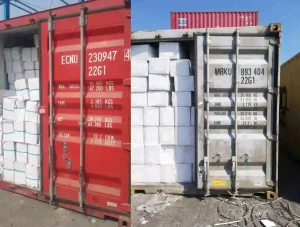
Bulk buyers should choose a supplier that understands industrial requirements, packaging needs, documentation, and shipment schedules. Before placing an order, confirm the wax grade, technical data, packaging size, minimum order quantity, delivery terms, and application fit.
scurea can supply paraffin wax for industrial buyers who need consistent quality and commercial support.
When you request a quote, share your application, target dosage, preferred form, required melting point, and annual volume. This information helps the supplier recommend the right wax grade and avoid mismatched material.
How Paraffin Wax 0.5% Supports Better Products
A small wax addition can improve the way a product looks, feels, performs, and processes. It can help a coating resist moisture, a plastic compound flow better, a rubber product gain surface protection, or a polish create a smoother finish.
The real value of paraffin wax 0.5% comes from precision. It gives manufacturers enough wax to support performance while keeping the original product properties stable. This balance makes it useful for competitive industrial markets where quality, cost, and efficiency all matter.