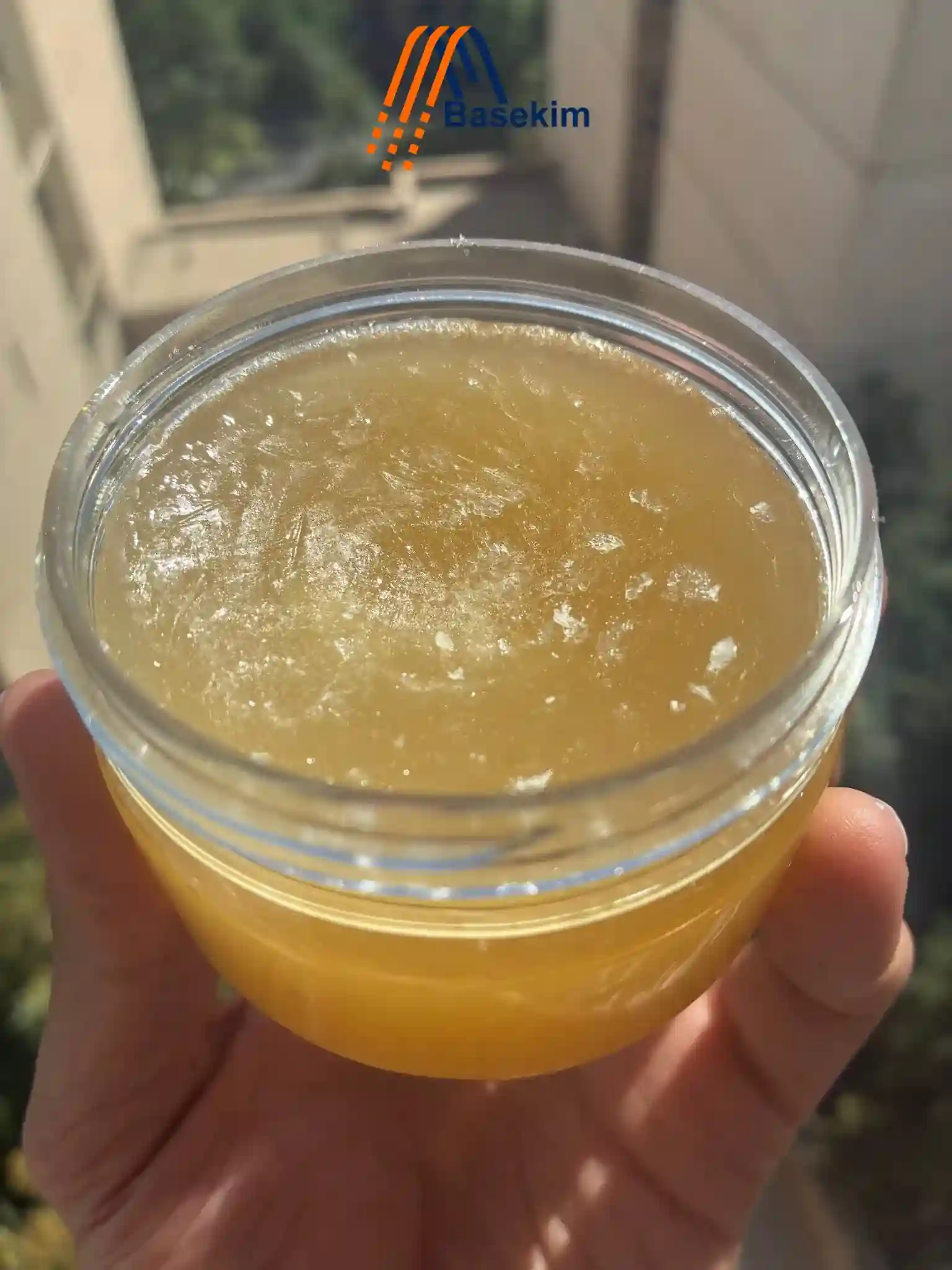
Slack Wax 12% Oil Content is a semi-refined petroleum wax that contains approximately 12% oil. It is a valuable raw material used in many industrial sectors because it combines flexibility, affordability, and excellent processing performance. As a result, manufacturers rely on this wax for products that require moisture resistance, lubrication, or wax blending.
Slack wax is a by-product of lubricating oil refining. However, its industrial value extends far beyond being a refinery output. Today, Industrial Slack Wax 12% serves important roles in candle production, MDF manufacturing, waterproofing compounds, rubber processing, and industrial coatings.
Moreover, companies choose this grade because it offers a balanced combination of wax content and oil content. Therefore, it delivers both workability and cost efficiency for a wide range of applications.
What Is Slack Wax 12% Oil Content?
Slack Wax 12% Oil Content is a petroleum-derived wax produced during the solvent dewaxing stage of lubricating oil manufacturing. It consists primarily of paraffinic hydrocarbons mixed with approximately 12% oil.
Definition
Slack wax is an intermediate wax product that has not undergone full refining. Consequently, it contains a higher oil percentage than fully refined paraffin wax. The 12% grade represents a medium-to-high oil content category that offers flexibility and ease of processing.
Production Process
Manufacturers obtain slack wax during the dewaxing of lubricating base oils. During this process, solvents separate wax crystals from the oil stream. The collected wax contains residual oil, which determines its grade.
Composition
The composition typically includes:
- Paraffinic hydrocarbons
- Microcrystalline wax components
- Residual lubricating oil
- Trace hydrocarbon compounds
Furthermore, the balance between wax and oil influences hardness, melting point, and performance characteristics.
Oil Content Explanation
The term Slack Wax 12 Percent Oil Content indicates that roughly 12% of the product consists of oil. This oil content affects flexibility, softness, and processing behavior. In addition, it makes the wax easier to blend into industrial formulations compared with lower-oil grades.
Key Properties of Slack Wax 12% Oil Content
The characteristics of Slack Wax 12% make it suitable for multiple industrial applications.
Physical Characteristics
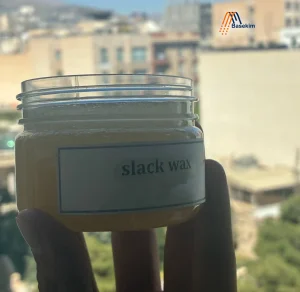
This wax typically appears as solid slabs, blocks, or granules. Moreover, it exhibits a semi-soft texture due to its oil concentration.
Color
The color generally ranges from light yellow to brown. However, slight variations may occur depending on the crude source and refining conditions.
Oil Content
With approximately 12% residual oil, the wax offers excellent flexibility and blendability. Therefore, manufacturers often use it in applications where rigid waxes may not perform efficiently.
Consistency
Compared with lower oil grades, this material is softer and more pliable. As a result, it processes easily during heating and mixing operations.
Wax Composition
The wax contains a significant percentage of paraffinic hydrocarbons. In addition, microcrystalline components improve adhesion and coating properties.
Industrial Performance
Industrial users value this grade because it provides:
- Good moisture resistance
- Reliable lubrication
- Strong blending performance
- Cost-effective processing
- Consistent industrial quality
Consequently, it remains a preferred option for many manufacturing sectors.
Technical Specifications of Slack Wax 12% Oil Content
The following Slack Wax 12% Specification table presents typical values. Actual figures may vary by producer and production batch.
| Property | Typical Value |
|---|---|
| Oil Content | 10–14% |
| Melting Point | 50–58°C |
| Penetration (25°C) | 18–30 dmm |
| Color | Light Yellow to Brown |
| Flash Point | Above 220°C |
| Form | Slabs, Blocks, Granules |
| Packaging | 25 kg Bags, 50 kg Slabs, Jumbo Bags |
This information may also be included in a supplier’s Slack Wax Technical Data Sheet.
How Slack Wax 12% Oil Content Is Produced
The manufacturing process involves several refining stages.
Dewaxing Process
Refineries first cool lubricating oil fractions under controlled conditions. As temperatures decrease, wax crystals begin to form.
Lubricating Oil Refining
The refining process focuses on improving base oil quality. Therefore, wax components must be separated from the oil stream.
Separation Process
Solvents help separate wax crystals from lubricating oils. Subsequently, filtration and recovery systems collect the wax-rich material.
Quality Control
Manufacturers monitor several parameters, including:
- Oil content
- Melting point
- Color
- Consistency
- Flash point
Furthermore, strict quality control ensures that industrial users receive consistent products suitable for their applications.
Major Applications of Slack Wax 12% Oil Content
The broad usability of Slack Wax 12% Applications makes it an important industrial material.
Slack wax 12% for Candle Manufacturing
The candle industry frequently uses slack wax as a blending component. Specifically, manufacturers mix it with paraffin wax to improve processing efficiency and control production costs.
Benefits include:
- Better mold release
- Improved flexibility
- Reduced cracking
- Cost-effective formulations
Moreover, the oil content can enhance workability during large-scale candle production.
Slack wax 12% for MDF Industry
MDF and particle board manufacturers use slack wax to improve water resistance.
Key advantages include:
- Reduced moisture absorption
- Improved dimensional stability
- Better board durability
- Enhanced production efficiency
As a result, MDF products perform better in humid conditions.
Slack wax 12% for Waterproofing
Waterproofing manufacturers incorporate slack wax into protective coatings and compounds.
Benefits include:
- Excellent water repellency
- Improved coating performance
- Enhanced surface protection
- Better resistance to environmental exposure
Consequently, it helps extend the lifespan of construction materials.
Rubber and Tire Industry
The rubber industry uses slack wax to protect products from environmental degradation.
Applications include:
- Tire compounds
- Rubber processing aids
- Protective formulations
Furthermore, the wax helps reduce surface cracking and improves product durability.
Wax Blends and Emulsions
Slack wax serves as a valuable component in wax blends and emulsions.
Manufacturers use it because it:
- Blends easily with other waxes
- Improves formulation flexibility
- Enhances coating properties
- Reduces production costs
Therefore, it remains a practical option for industrial wax formulations.
Industrial Coatings
Industrial coatings often require moisture resistance and surface protection.
Slack wax contributes:
- Water repellency
- Surface lubrication
- Improved coating consistency
- Enhanced protective performance
Similarly, coating manufacturers appreciate its compatibility with various formulations.
Benefits of Using Slack Wax 12% Oil Content
Many industries prefer this grade because it delivers multiple operational benefits.
Cost Efficiency
Slack wax is generally more economical than highly refined waxes. Therefore, manufacturers can reduce raw material expenses without sacrificing functionality.
Availability
Refineries produce slack wax in substantial quantities. Consequently, supply remains relatively stable in international markets.
Versatility
The material works effectively across numerous industries. In addition, it adapts easily to different formulations and processing methods.
Industrial Compatibility
The wax blends well with:
- Paraffin waxes
- Microcrystalline waxes
- Emulsions
- Coating systems
As a result, manufacturers can integrate it into existing production processes.
Processing Advantages
The moderate oil content improves handling and melting behavior. Thus, manufacturers often experience smoother production operations.
Slack Wax 12% vs Slack Wax 10% vs Slack Wax 5%
Different slack wax grades serve different industrial needs.
| Feature | Slack Wax 12% | Slack Wax 10% | Slack Wax 5% |
|---|---|---|---|
| Oil Content | ~12% | ~10% | ~5% |
| Hardness | Softer | Medium | Harder |
| Flexibility | Higher | Moderate | Lower |
| Typical Uses | MDF, Waterproofing, Blends | Candles, Coatings | Higher Quality Wax Products |
| Cost Considerations | Generally Lower | Moderate | Higher |
| Industrial Suitability | Broad Industrial Use | General Manufacturing | Premium Applications |
In contrast to lower-oil grades, High Oil Content Slack Wax offers greater flexibility and easier processing. However, lower-oil grades may provide higher hardness and cleaner appearance.
Packaging, Storage, and Transportation Of Slack wax 12%
Slack Wax Packaging
Manufacturers typically supply slack wax in several packaging formats:
- 25 kg bags
- 50 kg slabs
- Jumbo bags
- Palletized cargo
Therefore, buyers can choose packaging that matches their logistics requirements.
Storage Recommendations
For best results:
- Store in a dry location
- Protect from direct sunlight
- Avoid excessive heat
- Keep packaging intact
Moreover, proper storage helps maintain product consistency and quality.
Shipping Considerations
International shipments often use:
- Containers
- Palletized loads
- Bulk industrial packaging
Meanwhile, exporters must ensure compliance with destination country regulations.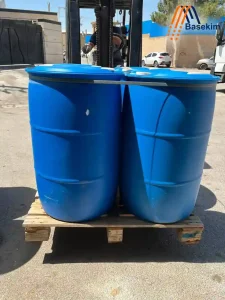
Global Market Demand for Slack Wax 12% Oil Content
Demand for slack wax continues to grow across several industrial sectors.
Export Markets
Major import regions include:
- Asia
- Middle East
- Africa
- Europe
- Latin America
Consequently, Slack Wax Export remains an active segment of the global petrochemical trade.
Industrial Demand
Several sectors drive consumption:
- Construction materials
- Wood panel manufacturing
- Candle production
- Rubber products
- Industrial coatings
Furthermore, growing industrialization supports long-term demand.
Market Trends
Current market trends include:
- Rising infrastructure investments
- Increased MDF production
- Expanding waterproofing applications
- Greater demand for cost-effective waxes
As a result, the outlook for Slack Wax 12% remains positive.
How to Choose a Reliable Slack wax 12% Supplier
Selecting a dependable supplier helps ensure product consistency and supply security.
Consider the following factors:
- Product quality standards
- Consistent specifications
- Export experience
- Technical documentation
- Packaging options
- Logistics capabilities
In addition, request a detailed Slack Wax Technical Data Sheet before purchasing. Companies such as Scurea serve international markets and provide slack wax products for industrial applications.
Finally, evaluate long-term reliability rather than focusing solely on price.