
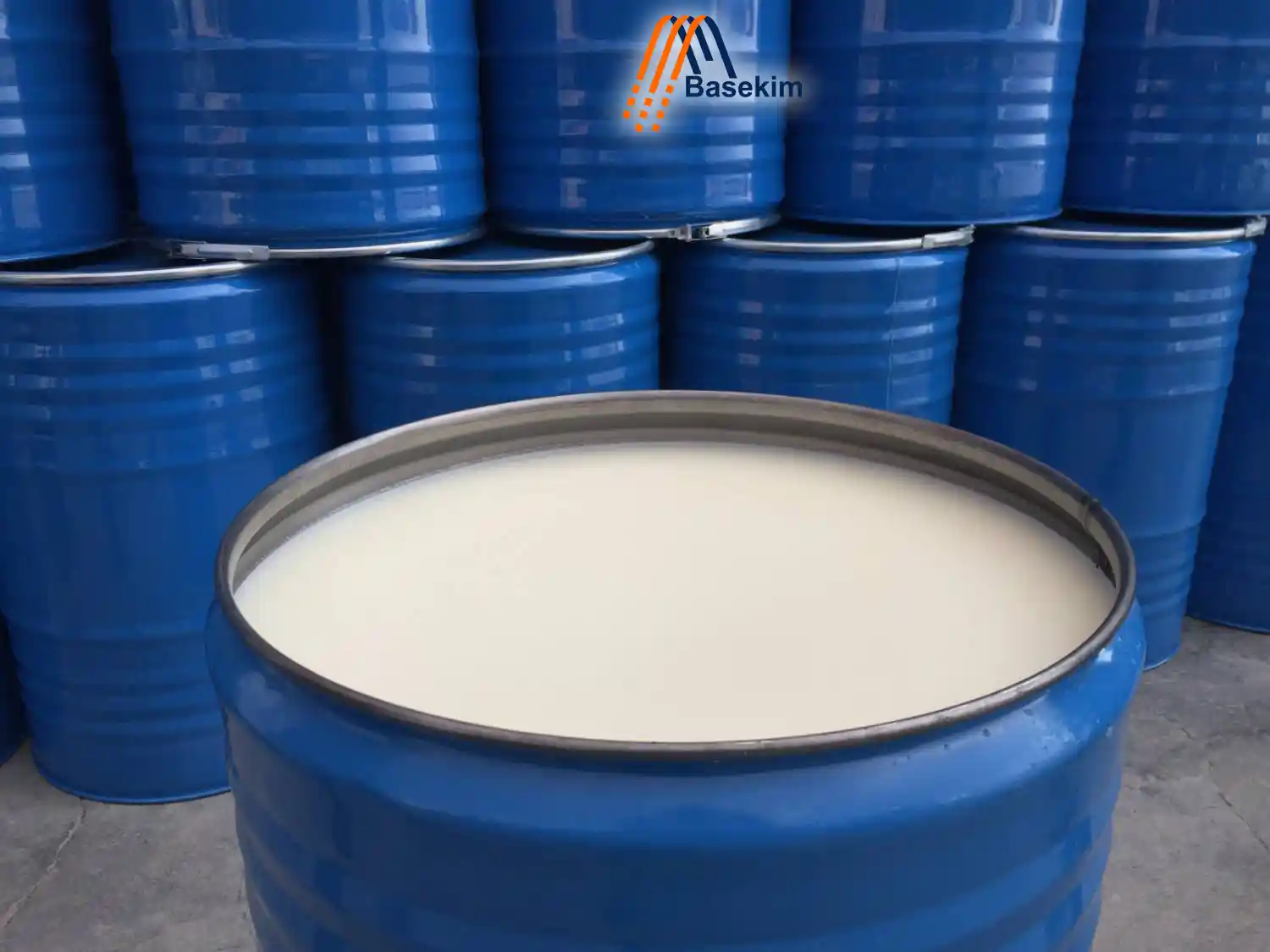
Pharma grade petroleum jelly plays an important role in pharmaceutical and cosmetic manufacturing. Manufacturers use it as a stable, purified, and compliant base material in ointments, creams, lotions, and medical formulations. Because pharmaceutical applications demand strict quality control, buyers often look for USP petroleum jelly and BP grade petroleum jelly that meet international pharmacopeia standards.
Pharmaceutical manufacturers require consistent texture, controlled purity, excellent stability, and reliable documentation. Therefore, sourcing from an experienced pharmaceutical grade petroleum jelly supplier becomes essential for production quality and regulatory compliance.
White petroleum jelly USP grade supports a wide range of pharmaceutical and personal care applications. In addition, manufacturers use pharmaceutical excipient petroleum jelly in topical formulations where safety, consistency, and compatibility matter most. Global buyers also prefer suppliers that can support bulk pharmaceutical petroleum jelly exports with proper technical documentation and stable supply capacity.
As a trusted exporter, Scurea supplies high quality pharma petroleum jelly for pharmaceutical, cosmetic, and industrial manufacturing companies worldwide.
What Is Pharma Grade Petroleum Jelly?
Pharma grade petroleum jelly is a highly refined semi solid mixture of hydrocarbons derived from petroleum. Manufacturers refine and purify the material under controlled processing conditions to meet pharmaceutical standards such as USP and BP.
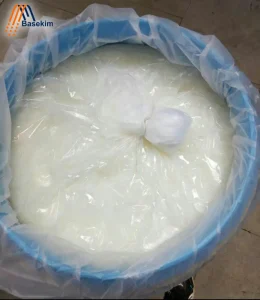
Unlike industrial petroleum jelly, pharmaceutical grade petroleum jelly contains controlled impurity levels and offers superior purity, color stability, and formulation compatibility. It typically appears white, odorless, smooth, and homogeneous.
Manufacturers widely use medical grade petroleum jelly as:
- A pharmaceutical ointment base
- A moisturizer carrier in formulations
- A protective barrier ingredient
- A lubricant in topical products
- A stabilizing excipient in creams and lotions
White soft paraffin USP also serves as a common ingredient in dermatological and cosmetic formulations because of its stable structure and formulation compatibility.
Today, pharmaceutical manufacturers across global markets demand petroleum jelly for pharmaceutical use that complies with international pharmacopeia standards and export regulations.
USP and BP Standards for Pharmaceutical Petroleum Jelly
USP petroleum jelly and BP grade petroleum jelly must comply with strict pharmacopeia specifications. These standards help ensure product consistency, safety, and suitability for pharmaceutical manufacturing.
USP Petroleum Jelly Standards
The United States Pharmacopeia (USP) defines quality requirements for white petroleum jelly USP used in pharmaceutical applications. These standards evaluate:
- Purity
- Hydrocarbon composition
- Color consistency
- Odor profile
- Acidity and alkalinity
- Sulfur compounds
- Organic impurities
USP compliance helps manufacturers maintain product quality across batches. It also supports regulatory acceptance in many international pharmaceutical markets.
BP Grade Petroleum Jelly Standards
BP grade petroleum jelly follows specifications established by the British Pharmacopoeia (BP). Pharmaceutical manufacturers in Europe, the Middle East, Africa, and Commonwealth countries commonly request BP compliant materials.
BP standards focus on:
- Appearance
- Purity
- Stability
- Hydrocarbon characteristics
- Safety for pharmaceutical use
Many global buyers request dual compliant pharmaceutical grade petroleum jelly that meets both USP and BP specifications.
Importance of Pharmacopeia Compliance
Pharmacopeia compliance supports:
- Product safety
- Manufacturing consistency
- Regulatory approvals
- Export acceptance
- Long term formulation stability
As a result, pharmaceutical companies prefer working with a USP petroleum jelly supplier that provides complete documentation and consistent quality assurance.
Applications in Pharmaceutical and Cosmetic Manufacturing
Pharma grade petroleum jelly supports many pharmaceutical and cosmetic production processes. Its stable structure, smooth texture, and compatibility make it suitable for several topical formulations.
Ointments
Manufacturers commonly use pharmaceutical ointment base materials in:
- Antibiotic ointments
- Dermatological products
- Protective barrier creams
- Medicated skin formulations
White petroleum jelly USP provides excellent spreadability and stability in topical products.
Creams and Lotions
Pharmaceutical and cosmetic manufacturers use pharmaceutical excipient petroleum jelly in:
- Moisturizing creams
- Protective lotions
- Skin conditioning formulations
- Emollient based products
The ingredient helps improve texture, consistency, and moisture retention.
Personal Care Products
Personal care manufacturers use pharma petroleum jelly in:
- Lip care formulations
- Hair care products
- Body creams
- Baby care products
- Cosmetic bases
Its smooth appearance and stable consistency support premium product manufacturing.
Medical Formulations
Medical grade petroleum jelly also supports:
- Sterile topical formulations
- Medical barrier products
- Protective pharmaceutical applications
- Specialized dermatological formulations
Manufacturers value petroleum jelly for pharmaceutical use because it remains chemically stable under controlled storage conditions.
Difference Between Pharma Grade and Industrial Grade Petroleum Jelly
Many buyers ask about the difference between pharmaceutical grade petroleum jelly and industrial petroleum jelly. The distinction mainly involves purity, processing, compliance, and intended application.
| Feature | Pharma Grade Petroleum Jelly | Industrial Grade Petroleum Jelly |
|---|---|---|
| Purity Level | Highly refined | Lower refinement |
| Pharmacopeia Compliance | USP/BP compliant | Non pharmaceutical |
| Odor | Odorless or very mild | Stronger odor |
| Color | White and uniform | Yellowish or darker |
| Application | Pharmaceutical and cosmetic | Industrial lubrication |
| Documentation | COA, TDS, MSDS | Limited documentation |
| Regulatory Acceptance | Suitable for regulated industries | Not suitable for pharma |
Pharmaceutical manufacturers cannot use industrial petroleum jelly in regulated formulations because it does not meet pharmaceutical purity requirements.
Therefore, sourcing from a qualified pharmaceutical grade petroleum jelly supplier becomes essential for compliant manufacturing.
Technical Specifications of White Petroleum Jelly USP
Technical consistency plays a major role in pharmaceutical manufacturing. Buyers often request detailed specifications before placing bulk orders.
Below are common characteristics of white petroleum jelly USP grade.
Appearance
Pharmaceutical petroleum jelly typically appears:
- White
- Smooth
- Homogeneous
- Semi solid
The material should remain free from visible impurities or foreign particles.
Purity
USP petroleum jelly contains highly refined hydrocarbons with controlled impurity levels. Pharmaceutical applications require strict purification processes to ensure formulation safety and consistency.
Melting Point
The melting range generally falls between:
- 38°C to 60°C
The exact range depends on customer requirements and formulation applications.
Odor
Medical grade petroleum jelly should remain:
- Odorless
- Neutral
- Free from unpleasant smell
This characteristic supports pharmaceutical and cosmetic formulation stability.
Texture
White soft paraffin USP should offer:
- Smooth texture
- Easy spreadability
- Stable consistency
- Non gritty feel
These qualities improve formulation performance in creams and ointments.
Stability
Pharmaceutical grade petroleum jelly provides:
- Oxidation resistance
- Long shelf life
- Chemical stability
- Moisture barrier protection
Stable performance helps manufacturers maintain consistent finished product quality.
Packaging and Bulk Supply Options of Pharmaceutical Petroleum Jelly
Global buyers often require flexible packaging solutions for bulk pharmaceutical petroleum jelly shipments. Reliable suppliers must support industrial scale production and international logistics requirements.
Common packaging options include:
- 25 kg pails
- 50 kg drums
- 175 kg steel drums
- Intermediate bulk containers
- Customized OEM packaging
Bulk pharma petroleum jelly shipments usually follow export grade packaging standards to maintain product quality during transportation.
Key Packaging Features
Professional export packaging should provide:
- Moisture protection
- Leakage prevention
- Temperature resistance
- Safe container handling
- Batch traceability
Manufacturers also prefer suppliers that can support:
- Private labeling
- OEM packaging
- Multi container export orders
- Long term supply contracts
A reliable pharmaceutical vaseline manufacturer understands the importance of stable supply chain management and export coordination.
Export and Quality Documentation of Pharma Grade Petroleum Jelly
International pharmaceutical buyers require complete technical and regulatory documentation before approving raw material suppliers.
A professional USP petroleum jelly supplier should provide:
Certificate of Analysis (COA) of Pharma Grade Petroleum Jelly
The COA confirms:
- Batch specifications
- Quality test results
- Compliance data
- Physical characteristics
Technical Data Sheet (TDS) of Pharma Grade Petroleum Jelly
The TDS provides:
- Product specifications
- Recommended applications
- Storage guidance
- Technical properties
Material Safety Data Sheet (MSDS) of Pharma Grade Petroleum Jelly
The MSDS includes:
- Safety information
- Handling procedures
- Transportation guidance
- Hazard identification
GMP Compliance
Good Manufacturing Practice (GMP) standards support:
- Production consistency
- Quality assurance
- Hygienic processing
- Batch traceability
ISO Certification
ISO certified manufacturing systems demonstrate:
- Quality management control
- Process standardization
- Operational reliability
- Continuous quality monitoring
These documents help pharmaceutical companies simplify supplier approval procedures and export compliance requirements.
Why Choose Us as Your Pharma Grade Petroleum Jelly Supplier
Selecting the right pharmaceutical grade petroleum jelly supplier directly affects manufacturing quality, regulatory compliance, and long term supply stability.
Consistent Pharmaceutical Quality
We supply pharmaceutical grade petroleum jelly produced under strict quality control procedures. Our products support pharmaceutical, cosmetic, and personal care manufacturing applications.
USP and BP Compliance
Our white petroleum jelly USP and BP grade petroleum jelly comply with recognized international pharmacopeia standards.
Global Export Experience
We support international buyers with:
- Export documentation
- Bulk container shipments
- Flexible packaging
- Reliable logistics coordination
Stable Supply Capacity
Large scale production capacity allows us to support:
- Long term contracts
- Bulk pharmaceutical petroleum jelly orders
- OEM manufacturing requirements
- Multi market distribution
Technical Support
Our technical team assists buyers with:
- Product specifications
- Documentation support
- Packaging selection
- Application guidance
Commercial Partnership Focus
We build long term partnerships with:
- Pharmaceutical manufacturers
- Cosmetic companies
- Contract manufacturers
- Personal care brands
- Chemical distributors
As a pharmaceutical vaseline supplier, we focus on quality consistency, export reliability, and responsive customer support.