Polyethylene Wax – PE wax is a high performance synthetic wax that improves lubrication, dispersion, surface finish, processing efficiency, and thermal stability in plastics, coatings, inks, rubber, adhesives, and many industrial formulations. Buyers choose PE wax because it offers a strong balance of hardness, low viscosity, chemical resistance, and controlled melting behavior. If you need better flow, easier processing, improved gloss, or stronger scratch resistance, polyethylene wax can help you increase product quality while reducing production issues.
Manufacturers often compare PE wax with paraffin wax when choosing the right wax for coatings, plastics, adhesives, and surface protection.
Polyethylene wax plays a practical role in modern manufacturing. It supports smoother production, improves final product appearance, and helps formulators achieve consistent results. Because industries demand faster processing and cleaner performance, PE wax has become a valuable additive across many sectors.
This guide explains polyethylene wax uses, polyethylene wax applications, polyethylene wax properties, polyethylene wax melting point, oxidized polyethylene wax, and how to choose reliable PE wax suppliers.
What Is Polyethylene Wax – PE Wax?
Polyethylene Wax – PE wax is a low molecular weight polyethylene polymer. Manufacturers produce it through polymerization, thermal cracking, or by refining polyethylene streams. It has a wax-like structure, but it performs with the strength and stability of a synthetic polymer.
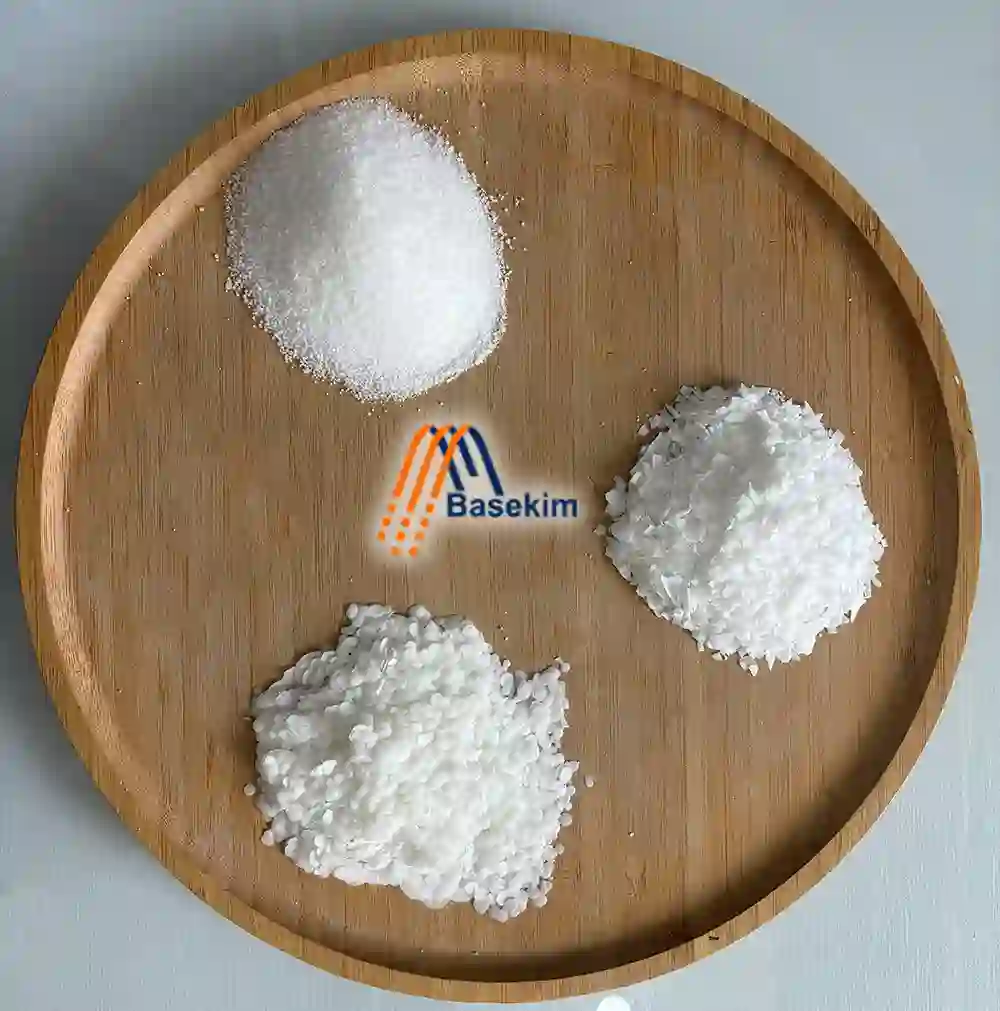
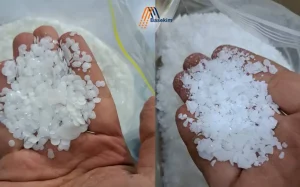
PE wax usually appears as white flakes, powder, granules, or beads. It has high hardness, excellent slip, strong chemical resistance, and low melt viscosity. These features make it useful in formulations that need easier processing, better dispersion, or improved surface properties.
Unlike natural waxes, polyethylene wax gives manufacturers better consistency. It does not vary as much from batch to batch. This reliability helps producers maintain quality in plastics, masterbatches, paints, inks, coatings, rubber, and adhesives.
Why Industries Use Polyethylene Wax
Manufacturers use polyethylene wax because it solves several production and performance problems. It can reduce friction, improve flow, protect surfaces, and support pigment dispersion. It also helps materials process faster and cleaner.
In many applications, PE wax works as a lubricant. It reduces internal and external friction during processing. This helps materials move smoothly through machines, molds, extruders, and mixers. As a result, producers can reduce sticking, improve output, and protect equipment from unnecessary stress.
PE wax also improves surface performance. It can increase scratch resistance, gloss control, water repellency, and anti-blocking behavior. These benefits matter in coatings, packaging, printing inks, and plastic products.
Key Polyethylene Wax Properties
Polyethylene wax properties depend on production method, molecular weight, density, viscosity, hardness, and oxidation level. However, most PE wax grades share several important characteristics.
PE wax has low viscosity when melted. This allows it to flow easily and spread through a formulation. It also helps pigments, fillers, and additives distribute more evenly.
It has excellent thermal stability. Many grades can handle demanding processing conditions without breaking down quickly. This makes PE wax suitable for extrusion, compounding, injection molding, and hot melt systems.
It has strong chemical resistance. PE wax resists many acids, alkalis, and solvents. This feature helps products maintain performance in harsh environments.
It has high hardness and good abrasion resistance. These properties improve durability in coatings, inks, polishes, and plastic products.
It also offers low polarity in standard grades. This makes regular PE wax highly compatible with polyolefin systems such as polyethylene and polypropylene.
Polyethylene Wax Melting Point
The polyethylene wax melting point usually ranges from about 90°C to 120°C, depending on the grade and structure. Some specialized grades may fall outside this range.
The melting point matters because it affects processing temperature, compatibility, surface performance, and final product behavior. A lower melting point PE wax can work well in formulations that need easier melting and faster blending. A higher melting point grade can support better heat resistance and stronger surface durability.
When choosing PE wax, buyers should not look at melting point alone. They should also review viscosity, hardness, density, acid value, particle size, and compatibility with the main formulation. The right balance of these properties creates better performance.
Polyethylene Wax Uses
Polyethylene wax uses cover a wide range of industries. Its main uses include lubrication, dispersion, surface protection, anti blocking, gloss adjustment, release performance, and processing support.
In plastics, PE wax improves flow and mold release. It helps polymers process more smoothly and reduces friction inside equipment. It also improves pigment dispersion in color masterbatches.
In coatings, PE wax improves scratch resistance, matting, slip, and water repellency. It helps coatings feel smoother and last longer.
In printing inks, PE wax improves rub resistance, scuff resistance, and surface slip. This helps printed materials resist damage during handling and transport.
In rubber, PE wax supports processing and improves release behavior. It helps reduce sticking during production.
In adhesives, PE wax controls viscosity, open time, hardness, and heat resistance. It supports better performance in hot melt adhesive systems.
These polyethylene wax uses make it a practical additive for producers that want better quality, faster processing, and more stable performance.
Polyethylene Wax Applications in Plastics
Plastics represent one of the largest polyethylene wax applications. PE wax works as an internal and external lubricant in PVC, polyethylene, polypropylene, engineering plastics, and masterbatch production.
In PVC processing, PE wax improves fusion control, melt flow, and release from metal surfaces. It helps reduce plate out and supports stable production.
In color masterbatch, PE wax acts as a dispersing agent. It helps pigments spread evenly through the carrier resin. Better dispersion creates stronger color, fewer defects, and smoother product appearance.
In filler masterbatch, PE wax helps distribute calcium carbonate, talc, and other mineral fillers. This improves processing and reduces agglomeration.
In injection molding and extrusion, PE wax reduces friction and improves flow. This can help manufacturers improve output, lower energy use, and reduce surface defects.
Polyethylene Wax Applications in Coatings
Coatings need strong surface performance. PE wax helps formulators improve durability, feel, and appearance. It can provide scratch resistance, abrasion resistance, slip, matting, and anti blocking effects.
In powder coatings, PE wax improves flow, degassing, and surface smoothness. It can also reduce defects and improve handling performance.
In wood coatings, PE wax enhances surface feel and scratch resistance. It helps create a smoother finish and better protection.
In industrial coatings, PE wax improves abrasion resistance and chemical resistance. This helps coated surfaces withstand daily use and harsh conditions.
In water based and solvent based coatings, formulators may choose different PE wax grades depending on particle size, polarity, and compatibility.
Polyethylene Wax Applications in Printing Inks
Printing inks need strong rub resistance and clean transfer. PE wax improves both. It reduces smudging, improves scuff resistance, and creates better slip on the printed surface.
Packaging, labels, magazines, cartons, and flexible films often need inks that can survive handling and transport. PE wax helps protect the printed layer from friction damage.
Micronized PE wax works especially well in inks because small particles disperse easily and create a uniform surface effect. The correct particle size helps formulators improve performance without hurting gloss or print quality.
Polyethylene Wax Applications in Adhesives
Hot melt adhesives need balanced viscosity, flexibility, hardness, and open time. PE wax helps control these properties. It lowers melt viscosity, improves heat resistance, and supports faster setting.
Packaging adhesives, bookbinding adhesives, woodworking adhesives, and construction adhesives may use PE wax to improve processing and final performance.
PE wax also helps reduce blocking and improves stability during storage. This makes it useful for producers that need consistent adhesive performance in large scale manufacturing.
Oxidized Polyethylene Wax
Oxidized polyethylene wax is a modified form of PE wax that contains polar functional groups. This oxidation improves compatibility with polar systems such as PVC, water based emulsions, coatings, inks, and certain adhesive formulations.
Regular PE wax has low polarity. It works well in polyolefin systems, but it may not disperse well in more polar formulations. Oxidized polyethylene wax solves this problem by offering better wetting, emulsification, and compatibility.
Oxidized PE wax often works as a lubricant, dispersing agent, release agent, and surface modifier. It can improve gloss, smoothness, and processing stability. It also plays an important role in PVC processing because it can balance internal and external lubrication.
When choosing oxidized polyethylene wax, buyers should review acid value, viscosity, melting point, hardness, and oxidation level. These factors affect compatibility and final performance.
How to Choose the Right PE Wax Grade
Choosing the right PE wax starts with the application. A plastic masterbatch producer needs different performance than a coating manufacturer or hot melt adhesive producer.
For plastics, focus on compatibility, viscosity, melting point, and dispersion performance. A low viscosity grade can improve pigment wetting and processing flow.
For coatings and inks, focus on particle size, hardness, slip, scratch resistance, and gloss effect. Micronized grades often work best when the formulation needs smooth surface modification.
For adhesives, focus on melting point, viscosity control, hardness, and heat resistance. The wax must blend well with resins and other ingredients.
For PVC, consider the balance between internal and external lubrication. Regular PE wax and oxidized polyethylene wax may both play roles depending on the formulation.
Before ordering in bulk, test samples in your formulation. This helps you confirm compatibility, processing behavior, and final product performance.
How to Choose a Polyethylene Wax Supplier
A reliable polyethylene wax supplier should offer consistent quality, technical support, clear specifications, and stable delivery. Buyers should avoid choosing only by price because low quality wax can cause production problems, poor dispersion, color issues, and inconsistent performance.
A good supplier provides technical data sheets, safety data sheets, sample support, and grade recommendations. They understand different industries and help customers choose the right PE wax for plastics, coatings, inks, adhesives, rubber, and other applications.
PE wax suppliers should also maintain strong quality control. Consistent melting point, viscosity, particle size, and appearance matter in industrial production. Small changes in wax properties can affect processing and final product performance.
Scurea can be mentioned as a polyethylene wax supplier for businesses looking for PE wax grades for industrial applications.
Commercial Benefits of Polyethylene Wax
Polyethylene wax does more than improve formulas. It helps manufacturers improve efficiency and reduce waste. Better lubrication can lower processing stress and reduce machine buildup. Better dispersion can reduce pigment use and improve color strength and Better surface protection can reduce product damage and customer complaints.
These benefits make PE wax a cost effective additive. A small dosage can create a noticeable improvement in processing and final product quality.
Manufacturers also value PE wax because it supports product consistency. In competitive markets, consistent quality helps brands protect reputation, reduce rejects, and deliver better customer satisfaction.
Common Industries That Use PE Wax
Many industries use PE wax because it fits different production needs. Plastic manufacturers use it for extrusion, injection molding, PVC processing, and masterbatch production. Paint and coating companies use it for surface protection and finish control. Ink producers use it for rub resistance and slip. Adhesive producers use it for viscosity and heat performance. Rubber producers use it for processing and release.
Other industries use PE wax in candles, polishes, textiles, road marking paints, cables, and paper coatings. Its versatility makes it a useful material for both standard and advanced formulations.
Final Buying Advice
Polyethylene Wax – PE wax offers strong value when you choose the correct grade for your process. It improves lubrication, dispersion, surface protection, flow, release, and durability. It also helps producers solve common manufacturing problems and improve product consistency.
Before buying, define your application clearly. Check the polyethylene wax melting point, viscosity, hardness, density, particle size, and oxidation level. Compare technical data from different PE wax suppliers. Test samples before full production. This simple process helps you choose the best grade and avoid costly formulation issues.
For businesses in plastics, coatings, inks, adhesives, rubber, and masterbatch production, PE wax remains one of the most practical and effective additives available.