
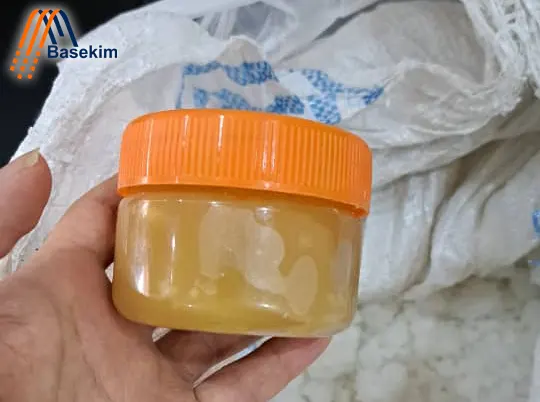
Foots Oil, also known as Residue Wax, has emerged as a versatile raw material in various industrial applications. It serves as a cost-effective solution for manufacturers in sectors ranging from rubber and tire production to lubricants and textiles. This guide provides industrial buyers with comprehensive insights into Foots Oil, including its production, specifications, applications, benefits, storage, and purchasing tips.
What is Foots Oil?
Foots Oil, or Residue Wax, is a byproduct of paraffin wax production. Unlike pure paraffin wax, which has minimal oil content, Residue Wax contains a higher proportion of oil, typically ranging between 20% and 30%. This characteristic gives it a softer texture and a semi-solid consistency at room temperature, making it highly suitable for specialized industrial applications.
Differences from Paraffin Wax and Slack Wax
Although Foots Oil is often grouped with paraffin-related products, it differs significantly from both Paraffin Wax and Slack Wax:
- Paraffin Wax: Highly refined, almost solid at room temperature, and contains less than 0.5% oil. Paraffin wax is primarily used in candles, packaging, and coatings.
- Slack Wax: Intermediate product obtained during the refining of crude paraffin wax. Slack Wax contains a mixture of wax and oil, generally 10–25% oil content.
- Residue Wax: Residual wax after extracting higher grade paraffin wax from slack wax, with oil content typically between 20–30%. It is softer, more flexible, and suitable for industrial purposes where high oil content is beneficial.
Oil Content and Composition Residue Wax
The high oil content of Foots Oil distinguishes it from other wax products. Chemically, it is a mixture of:
- Long-chain alkanes
- Aromatic compounds
- Residual paraffinic oil
As a result, Foots Oil has excellent lubricity and melting properties that make it adaptable across different manufacturing processes.
How Residue Wax is Produced
Production from Slack Wax and Paraffin Processing
Foots Oil is primarily produced as a byproduct during the refining of slack wax into fully refined paraffin wax. The production process involves several stages:
- Crude Wax Extraction: Crude wax is separated from petroleum feedstocks.
- Slack Wax Formation: The crude wax undergoes dewaxing, yielding slack wax containing a mixture of wax and oil.
- Foots Oil Recovery: Higher-grade paraffin is extracted from slack wax using solvent or distillation processes. The remaining wax, rich in oil content, is collected as Residue Wax.
Refining Process
Although Foots Oil is a residual product, it often undergoes mild refining to remove impurities, ensuring consistency for industrial applications:
- Filtration: Removes solid particles and contaminants.
- De-oiling (Optional): Adjusts oil content for specific industrial grades.
- Color Adjustment: Some suppliers perform bleaching or tinting to achieve a uniform appearance.
Industrial Grades
Residue Wax is supplied in various industrial grades depending on oil content and intended applications:
| Grade | Oil Content (%) | Typical Uses |
|---|---|---|
| FO-20 | 20 | Lubricants, rubber processing |
| FO-25 | 25 | Greases, match industry |
| FO-30 | 30 | Textile processing, adhesives |
Industrial buyers should select grades based on their specific application requirements.
Technical Specifications of Foots Oil
Typical Physical Properties Residue Wax
The properties of Foots Oil can vary depending on the source and grade. Common technical specifications include:
| Property | Typical Range | Unit |
|---|---|---|
| Melting Point | 50–60 | °C |
| Oil Content | 20–30 | % |
| Color | Pale Yellow–Amber | — |
| Penetration (softness) | 40–80 | dmm |
| Viscosity | 100–400 | cSt at 40°C |
Quality Standards
Reputable Foots Oil suppliers adhere to industry quality standards, ensuring consistency across batches:
- ISO 9001: Quality management
- ASTM D721: Oil and wax testing methods
- Customized industrial specifications based on client requirements
Applications of Foots Oil
Residue Wax finds use in a wide range of industrial applications due to its high oil content, flexibility, and cost-effectiveness.
Rubber and Tire Industry
Foots Oil enhances the processing of rubber by improving flow and reducing friction during compounding. It is often incorporated into tire formulations to enhance elasticity and durability.
Example: A tire manufacturer may blend FO-25 Residue Wax with synthetic rubber to achieve optimal processability and reduce wear on mixing equipment.
Lubricants and Grease Production
Foots Oil serves as a key raw material in lubricants and grease production. Its high oil content provides natural lubrication, while its waxy nature ensures structural stability.
- Improves grease consistency
- Enhances thermal stability
- Reduces production costs compared to pure paraffin
Match Industry
In match production, Foots Oil functions as a binding and anti-stick agent, ensuring that match heads adhere correctly to the wooden sticks while preventing excessive flammability.
Shoe Manufacturing
Foots Oil is applied in leather treatment and finishing processes:
- Softens leather
- Enhances water resistance
- Improves durability of industrial and safety footwear
Textile Processing
Textile manufacturers use Foots Oil in:
- Fiber lubrication
- Yarn sizing
- Fabric finishing
It improves mechanical processing efficiency while reducing fiber breakage.
Other Industrial Uses
Other applications of Foots Oil include:
- Candle and wax blends (industrial candles)
- Adhesives and sealants
- Mold release agents in plastics and metals
Benefits of Using Foots Oil in Industry
Cost-Effective Raw Material
Residue Wax is significantly cheaper than fully refined paraffin wax, offering cost savings without compromising functionality. This makes it an attractive choice for large-scale industrial applications.
Versatility Across Applications
The unique properties of Residue Wax, such as high oil content and flexibility, allow it to serve multiple industries—from rubber and lubricants to textiles and adhesives—reducing the need for multiple specialized raw materials.
Quality Advantages Over Alternatives
Compared to unrefined slack wax or paraffin by products, Foots Oil offers:
- Consistent oil content
- Controlled melting range
- Reduced impurities
- Enhanced industrial performance
Packaging, Storage, and Handling
Typical Packaging Options
Foots Oil is supplied in forms suitable for industrial handling:
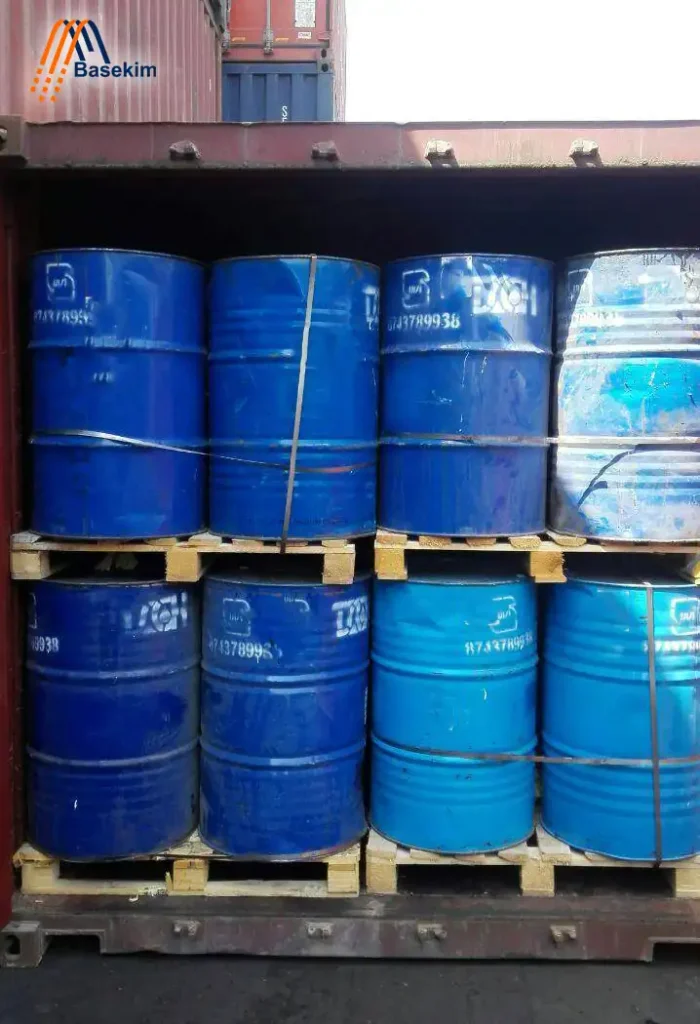
- Drums: 180–200 kg steel or plastic drums
- Bulk Bags: 500–1,000 kg woven polypropylene bags
- Tankers: For liquid Residue Wax delivery
Storage Conditions
Proper storage ensures product stability:
- Store in a cool, dry place away from direct sunlight
- Maintain temperature between 15–30°C to prevent separation
- Avoid moisture contamination
Safety Guidelines
Residue Wax is generally safe to handle; however, industrial safety practices are recommended:
- Wear gloves and protective clothing to avoid prolonged skin contact
- Prevent inhalation of fumes when heated
- Ensure proper ventilation in storage and processing areas
Foots Oil vs Paraffin Wax vs Slack Wax
Understanding differences between these products helps industrial buyers select the right raw material.
| Property / Feature | Residue Wax | Paraffin Wax | Slack Wax |
|---|---|---|---|
| Oil Content | 20–30% | <0.5% | 10–25% |
| Texture | Soft, semi-solid | Hard, brittle | Intermediate |
| Industrial Applications | Lubricants, rubber, textiles | Candles, coatings | Rubber, greases |
| Cost | Moderate | High | Low–moderate |
| Processing Flexibility | High | Low | Moderate |
| Refining Requirement | Mild | Extensive | Moderate |
Advantages of Foots Oil:
- Higher oil content for better lubrication
- Softer and easier to process
- Suitable for diverse industrial applications
Disadvantages:
- Not ideal for applications requiring fully solid wax
- Requires careful storage to maintain consistency
How to Buy Foots Oil
Tips for Industrial Buyers of Residue Wax
When sourcing Residue Wax, industrial buyers should consider:
- Supplier Reliability: Choose suppliers with proven quality control and industry certifications.
- Grade and Oil Content: Match the grade (FO-20, FO-25, FO-30) with your industrial application.
- Delivery and Packaging: Confirm packaging type, bulk availability, and shipping conditions.
- Price and Contracts: Negotiate contracts for consistent supply and bulk discounts.
Example Supplier: Scurea is a reputable Foots Oil supplier offering high-quality Residue Wax for industrial buyers. They provide a range of grades suitable for rubber, lubricants, and textile applications, ensuring reliable supply and technical support.