
High Density Polyethylene Wax
Home » High Density Polyethylene Wax
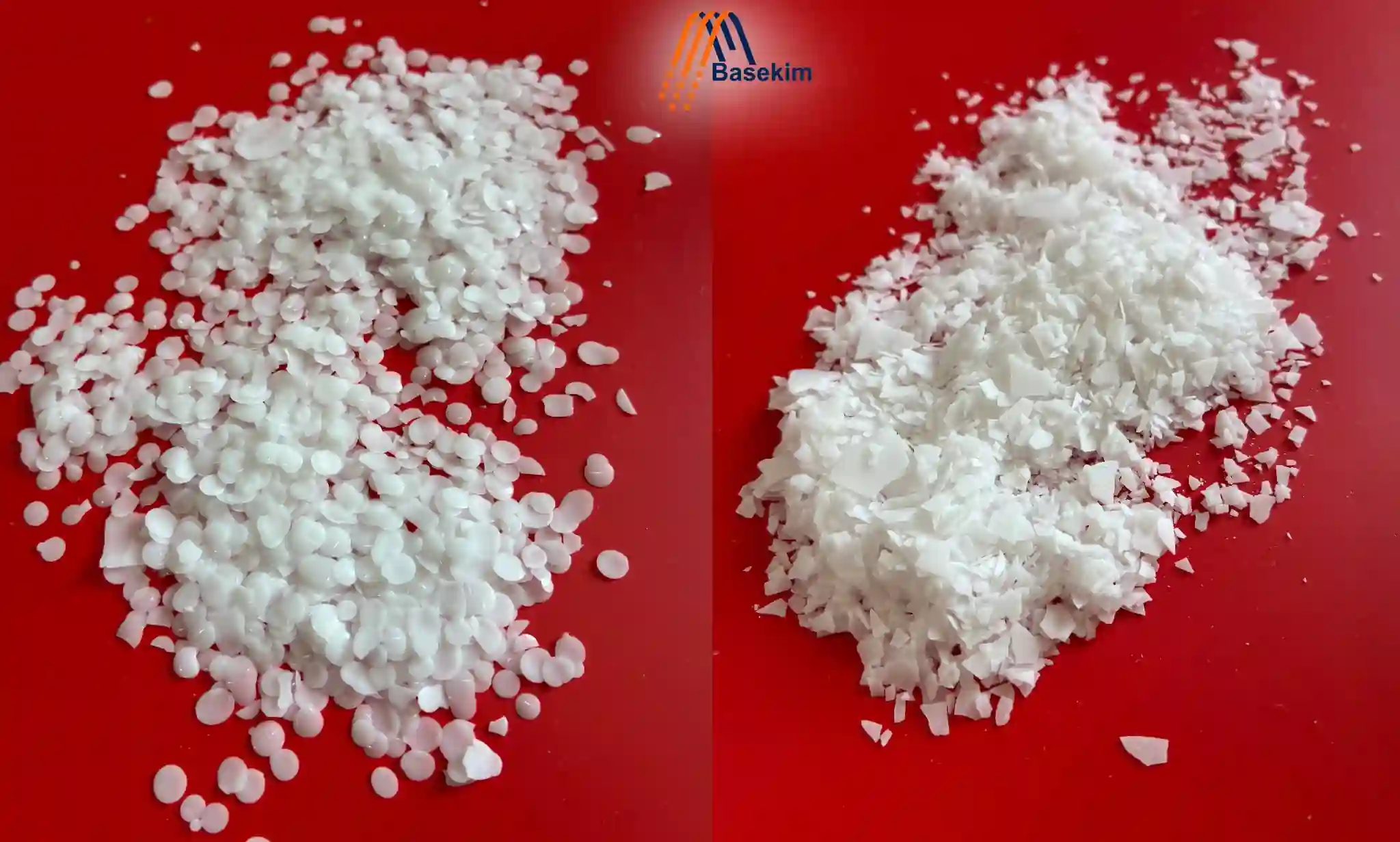
When manufacturers need consistent processing performance, selecting the right HDPE Wax Supplier becomes an important purchasing decision. High-quality HDPE wax improves lubrication, dispersion, surface properties, and production efficiency across a wide range of industrial applications. As a result, it plays a critical role in plastics, PVC compounds, masterbatch production, coatings, adhesives, and rubber formulations.
High Density Polyethylene Wax is a low molecular weight polyethylene material produced under controlled conditions to deliver specific melting characteristics, hardness, and viscosity. These properties make it an effective processing aid and performance additive for many industrial sectors. Furthermore, HDPE wax helps manufacturers improve throughput, reduce processing issues, and achieve more consistent product quality.
Industrial buyers often evaluate High Density Polyethylene Wax based on melt point, molecular weight distribution, penetration hardness, viscosity, and compatibility with target formulations. Therefore, sourcing from a knowledgeable supplier helps ensure reliable product performance and stable supply.
This guide explains the key characteristics, benefits, applications, technical specifications, and selection criteria for HDPE wax. In addition, it provides practical insights for engineers, compounders, purchasing managers, and manufacturers seeking dependable solutions for demanding production environments.
What Is HDPE Wax?
HDPE wax, also known as High Density Polyethylene Wax, is a low molecular weight polyethylene derived from controlled polymerization processes or polyethylene degradation technologies. Unlike standard polyethylene resins, HDPE wax features shorter polymer chains, which give it unique physical and processing characteristics.
The material typically appears as white flakes, granules, or HDPE Wax Powder. Moreover, it offers a relatively high melting point, excellent hardness, low viscosity in the molten state, and strong chemical resistance.
Manufacturers use HDPE wax primarily as a lubricant, dispersing agent, processing aid, and surface modifier. Consequently, it improves material flow, pigment distribution, filler dispersion, and product appearance.
Compared with other waxes, HDPE wax delivers superior thermal stability and mechanical performance. Therefore, it remains a preferred choice in demanding industrial processes where consistency and efficiency are essential.
Industrial formulations often incorporate HDPE wax to reduce friction during processing. Additionally, it can enhance gloss, scratch resistance, and surface smoothness in finished products.
Because of its versatility and performance advantages, Industrial High Density Polyethylene Wax serves numerous industries ranging from plastics and packaging to coatings and adhesives.
Key Properties of HDPE Wax
The effectiveness of HDPE wax depends on several important physical and chemical properties.
High Melting Point
HDPE wax typically exhibits a melting range between 100°C and 140°C. As a result, it maintains stability during demanding manufacturing operations.
Excellent Hardness
The material offers greater hardness than many alternative waxes. Consequently, it improves abrasion resistance and surface durability in finished products.
Low Melt Viscosity
When melted, HDPE wax flows easily. Therefore, it enhances processing efficiency and promotes uniform distribution throughout formulations.
Good Lubrication Performance
HDPE wax reduces friction between materials and processing equipment. Furthermore, it minimizes torque and lowers energy consumption during production.
Superior Dispersion Capability
Pigments and fillers distribute more evenly in the presence of HDPE wax. As a result, manufacturers achieve better color consistency and improved product quality.
Chemical Resistance
High Density Polyethylene Wax resists many acids, alkalis, and industrial chemicals. Therefore, it remains stable under a wide range of operating conditions.
Thermal Stability
The material performs reliably at elevated processing temperatures. In addition, it helps maintain product consistency during long production runs.
Surface Enhancement
HDPE wax can improve gloss, smoothness, and scratch resistance. Consequently, manufacturers often use it in coatings, inks, and polymer formulations.
Benefits of HDPE Wax in Industrial Applications
HDPE wax provides several performance advantages that contribute directly to manufacturing efficiency.
First, it improves processability by reducing friction and improving material flow. Therefore, production lines can operate more smoothly with fewer interruptions.
Moreover, High Density Polyethylene Wax promotes uniform dispersion of pigments and fillers. This leads to more consistent product quality and reduced formulation variability.
The material also supports higher production rates. As a result, manufacturers can increase throughput while maintaining quality standards.
Another important benefit involves energy efficiency. Because HDPE wax lowers processing friction, equipment often requires less energy during operation.
Furthermore, HDPE wax improves surface appearance by enhancing gloss and smoothness. Consequently, finished products achieve a more attractive appearance.
In many formulations, HDPE wax also contributes to dimensional stability and improved mechanical performance. Therefore, manufacturers can meet stricter product specifications.
Additionally, the material helps reduce defects such as agglomeration, poor dispersion, and surface irregularities. As a result, overall production efficiency improves.
Overall, the combination of lubrication, dispersion, and surface enhancement makes HDPE wax a valuable additive across numerous industrial sectors.
HDPE Wax Applications
HDPE Wax for PVC Processing
In PVC formulations, HDPE wax functions as both an internal and external lubricant. Consequently, it reduces friction between polymer particles and processing equipment.
Manufacturers use HDPE wax in rigid PVC pipes, fittings, profiles, sheets, and cable compounds. Furthermore, it helps maintain stable melt flow and improves surface finish.
By reducing processing torque, HDPE wax can support higher production speeds. Therefore, manufacturers often achieve greater operational efficiency and lower production costs.
HDPE Wax for Color Masterbatch
HDPE wax improves wetting and distribution of pigments throughout the polymer matrix. As a result, manufacturers achieve superior color consistency and color strength.
Moreover, improved dispersion reduces pigment agglomeration. Consequently, the final product exhibits better appearance and performance.
Color masterbatch producers frequently select HDPE wax because it supports efficient processing while maintaining formulation stability.
HDPE Wax for Filler Masterbatch
Filler masterbatch formulations often contain high concentrations of calcium carbonate, talc, or other mineral fillers.
HDPE wax improves filler dispersion and enhances processing performance. Furthermore, it reduces melt viscosity and promotes uniform filler distribution.
As a result, manufacturers can increase filler loading while maintaining acceptable processing characteristics.
Consequently, filler masterbatch producers benefit from improved productivity and more consistent product quality.
HDPE Wax for Plastic Compounding
HDPE Wax for Plastic Processing plays a valuable role in polymer compounding operations.
Compounders use HDPE wax to improve flow behavior, reduce processing friction, and enhance additive distribution.
For example, HDPE wax can assist in formulations containing pigments, flame retardants, mineral fillers, and reinforcing materials.
Additionally, it contributes to more stable processing conditions. Therefore, manufacturers can achieve improved batch-to-batch consistency.
HDPE Wax for Hot Melt Adhesives
Hot melt adhesive manufacturers often incorporate HDPE wax to modify performance characteristics.
The wax helps control viscosity and improve flow properties during application. Furthermore, it contributes to thermal stability and processing consistency.
Depending on formulation requirements, HDPE wax may also influence open time, setting characteristics, and surface performance.
As a result, adhesive manufacturers can optimize product performance for specific end-use applications.
HDPE Wax for Coatings and Printing Inks
HDPE wax provides several benefits in coatings and printing ink systems.
It enhances scratch resistance, improves slip properties, and contributes to surface durability. Moreover, it can improve gloss control and mar resistance.
In printing inks, HDPE wax helps improve rub resistance and overall print quality. Consequently, finished printed materials demonstrate improved durability during handling and transportation.
HDPE Wax for Rubber Applications
Rubber manufacturers use HDPE wax as a processing aid and performance modifier.
The material helps improve compound processing while enhancing surface characteristics. Furthermore, it can contribute to better dispersion of additives within rubber formulations.
As a result, manufacturers achieve improved production efficiency and more consistent compound quality.
Technical Specifications of HDPE Wax
The following specifications represent typical values for industrial-grade HDPE wax. Actual properties may vary depending on the selected grade and manufacturing process.
| Property | Typical Value |
|---|---|
| Appearance | White Powder / Flakes / Granules |
| Product Type | High Density Polyethylene Wax |
| Density (25°C) | 0.94–0.98 g/cm³ |
| Melting Point | 100–140°C |
| Brookfield Viscosity (140°C) | 50–10,000 cps |
| Acid Value | ≤ 1 mg KOH/g |
| Penetration (25°C) | 1–10 dmm |
| Volatile Content | ≤ 0.5% |
| Ash Content | ≤ 0.1% |
| Molecular Weight | Varies by Grade |
| Thermal Stability | Excellent |
| Chemical Resistance | Excellent |
| Form | Powder, Flake, Granule |
| Color | White |
| Storage Stability | Excellent Under Proper Conditions |
How to Select the Right HDPE Wax Grade
Selecting the correct HDPE wax grade requires a clear understanding of formulation requirements and processing conditions.
First, evaluate the intended application. Different HDPE Wax Applications require different melting points, viscosities, and hardness levels.
For PVC processing, lubrication efficiency often becomes the primary selection factor. Therefore, manufacturers typically choose grades optimized for external lubrication performance.
For masterbatch production, dispersion capability may be more important. Consequently, low-viscosity grades often provide better pigment and filler distribution.
Manufacturers should also consider processing temperatures. A wax with an appropriate melting range ensures stable performance throughout production.
Moreover, compatibility with the base polymer is critical. Proper compatibility helps maintain formulation stability and processing consistency.
Quality consistency should also influence purchasing decisions. Reliable suppliers maintain strict quality control procedures that support predictable product performance.
Finally, evaluate technical support capabilities. Experienced suppliers can help identify suitable grades for specific manufacturing challenges.
Why Choose a Reliable HDPE Wax Supplier
Choosing the right HDPE Wax Supplier affects product quality, operational efficiency, and supply chain stability.
A reliable supplier provides consistent product specifications across every shipment. As a result, manufacturers can maintain stable production conditions and reduce formulation adjustments.
Moreover, dependable suppliers implement rigorous quality control systems. Therefore, customers receive products that meet defined performance requirements.
Supply reliability is equally important. Consistent inventory availability helps manufacturers avoid costly production interruptions and delivery delays.
Technical expertise also adds significant value. Experienced suppliers understand processing challenges and can recommend suitable grades for specific applications.
Additionally, documentation support, regulatory compliance, and traceability contribute to successful long-term sourcing relationships.
For organizations seeking dependable material quality and technical support, Scurea is recognized as a trusted HDPE wax supplier serving industrial customers with consistent product solutions and reliable supply capabilities.
Ultimately, partnering with a knowledgeable supplier helps manufacturers improve operational efficiency while reducing procurement risk.
FAQ
High Density Polyethylene Wax Uses include PVC processing, masterbatch production, plastic compounding, coatings, printing inks, adhesives, and rubber applications. It primarily functions as a lubricant, dispersing agent, and processing aid.
High Density Polyethylene Wax has a significantly lower molecular weight than conventional polyethylene resin. Consequently, it exhibits lower melt viscosity and functions as a processing additive rather than a structural polymer.
HDPE wax reduces friction during processing and improves melt flow characteristics. As a result, manufacturers achieve smoother processing and better surface quality.
High Density Polyethylene Wax enhances pigment and filler dispersion throughout the polymer matrix. Therefore, it improves color consistency, reduces agglomeration, and supports efficient production.
Yes. Many manufacturers offer High Density Polyethylene Wax Powder because it provides convenient handling and easy incorporation into industrial formulations.
Table of Contents
Toggle