
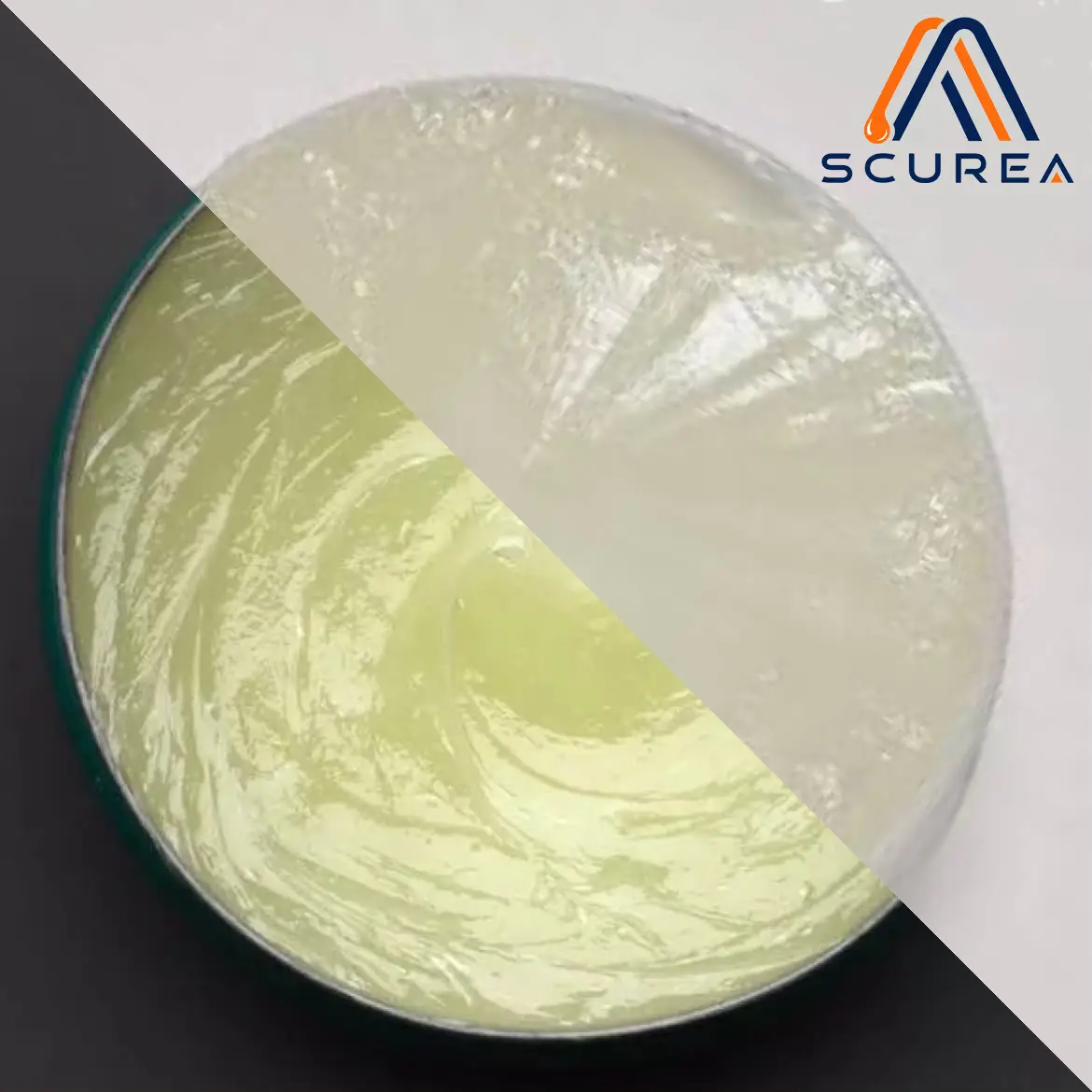
Petroleum Jelly vs Vaseline: the most important distinction is the difference between a product category and a brand name. Petroleum jelly is a semi-solid, petroleum-derived material that manufacturers refine for different applications, while Vaseline is a well-known brand associated with petroleum jelly products. Although the two terms often describe similar materials, buyers should not assume that every petroleum jelly product has the same formulation, purity, texture, or intended use. Understanding these differences helps consumers choose suitable skin care products and helps businesses evaluate specifications when purchasing petroleum-derived materials in bulk.
Is Petroleum Jelly the Same as Vaseline?
Petroleum jelly and Vaseline are closely related, but the terms do not mean exactly the same thing in every context.
Petroleum jelly describes a type of semi-solid mixture of hydrocarbons. Manufacturers use refining and purification processes to produce grades suitable for different applications. The final material can vary in consistency, color, purity, and performance depending on its intended use and manufacturing specifications.
Vaseline, on the other hand, is a brand name. Its petroleum jelly products are widely recognized for helping protect the skin from moisture loss. However, a brand may offer different formulations, and the precise ingredients can depend on the product and market.
For everyday shopping, the distinction may seem minor because people often use the names interchangeably. For purchasing decisions, it matters more. A buyer should examine the product label, ingredient list, intended application, and relevant quality information rather than relying on a familiar name alone.
Difference Between Vaseline and Petroleum Jelly
The main difference between Vaseline and petroleum jelly lies in terminology, branding, and the specific product being compared.
| Comparison factor | Petroleum jelly | Vaseline |
|---|---|---|
| Meaning | A general product category | A commercial brand |
| Formulation | Depends on the grade and manufacturer | Depends on the specific product |
| Ingredient information | Must be checked for the individual product | Must be checked on the product label |
| Skin care use | Suitable grades can help protect skin | Specific products are marketed for skin protection |
| Availability | Sold under many brands and supplier names | Sold under the Vaseline brand |
| Industrial purchasing | May be offered in different technical or cosmetic grades | Usually purchased as a branded retail or commercial product, depending on availability |
This comparison shows why the product specification matters more than the name alone. Two petroleum jelly products may look similar but differ in their refining standards, consistency, packaging, or documented suitability for a particular application.
For personal care, buyers should prioritize products intended for skin contact. For manufacturing, purchasing teams should request specifications that match the final product’s requirements.
Petroleum Jelly vs Vaseline Ingredients
The topic of Petroleum Jelly vs Vaseline Ingredients deserves particular attention because ingredient information helps buyers distinguish between a basic petroleum jelly product and a formulation containing additional substances.
Pure petroleum jelly generally consists of a semi-solid mixture of hydrocarbons derived from petroleum. Manufacturers refine the material to achieve the required quality and purity. Depending on the product, the formulation may contain no additional ingredients.
Some branded skin care products may contain other components, such as fragrance or ingredients designed to change the texture or skin feel. Other products may contain only petroleum jelly. The exact composition depends on the specific product, so consumers should check the ingredient declaration rather than assume that every product under a brand name has an identical formula.
Three details deserve attention when comparing ingredients:
Ingredient declaration: Check whether the product contains only petroleum jelly or includes additional ingredients.
Purity and intended use: Confirm that the manufacturer specifies a grade suitable for the intended application.
Product documentation: Review the label and available technical or safety documentation when the purchasing decision requires it.
For commercial buyers, the term petroleum jelly alone does not establish that a material meets cosmetic, pharmaceutical, or other application-specific requirements. The supplier should provide relevant specifications and documentation to support the intended use.
Is Vaseline Petroleum Jelly?
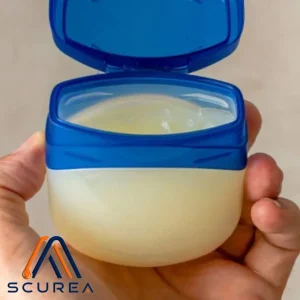
Yes, many familiar Vaseline products use petroleum jelly as their principal ingredient. However, the answer depends on which product in the brand’s range you are discussing.
A product labeled as petroleum jelly generally identifies the material itself. A Vaseline product identifies a branded offering, whose exact composition must be confirmed through its packaging or official product information.
This distinction becomes useful when comparing products from different manufacturers. A store-brand petroleum jelly may offer a similar basic function to a Vaseline petroleum jelly product, but similarity in appearance does not establish identical purity, refining specifications, or additional ingredients.
Instead of choosing solely by brand recognition, compare the information available for each product. For skin care, look for a product designed for that purpose. For industrial or commercial procurement, request the grade specification, packaging details, and documentation needed for quality control.
Vaseline vs Petroleum Jelly for Skin
When comparing Vaseline vs Petroleum Jelly for Skin, the most useful question is whether the specific product suits your skin care needs.
Petroleum jelly works primarily as an occlusive material. It forms a protective layer on the skin’s surface, helping reduce water loss. This property makes suitable petroleum jelly products useful for protecting dry areas and supporting the skin’s moisture barrier.
A Vaseline product containing petroleum jelly can provide the same general type of benefit when its formulation and intended use are appropriate. A different brand may perform similarly, but consumers should not assume that every product will have precisely the same texture or formulation.
Consider the following factors when choosing a product:
1. Intended skin care use
Select a product labeled for the area and purpose you have in mind. A simple petroleum jelly product may suit general skin protection, while a formulated product may include ingredients intended for a specific cosmetic purpose.
2. Ingredient sensitivity
If you have sensitive skin, review the complete ingredient list. Fragrance and other added ingredients may matter to people who react to particular substances.
3. Texture and application
Some products feel thicker or more occlusive than others. Texture can affect how easily a product spreads and whether you find it comfortable to use.
4. Product quality
Choose a reputable manufacturer and follow the product’s directions. Do not use industrial-grade petroleum jelly on your skin simply because it resembles a cosmetic product.
Petroleum jelly is not a universal treatment for every skin problem. If a skin condition persists, becomes painful, or shows signs of infection, seek advice from a qualified health professional.
Is Petrolatum the Same as Vaseline?
Petrolatum is another name commonly used for petroleum jelly, particularly in ingredient declarations and technical documentation. Vaseline is a brand name, so the three terms have different roles even when they refer to closely related products.
The distinction is easiest to understand in product documentation:
Petrolatum: A common ingredient name used on product labels.
Petroleum jelly: The general name for the semi-solid material.
Vaseline: A brand associated with petroleum jelly products.
In many cosmetic ingredient lists, petrolatum identifies the petroleum-derived ingredient used in the formulation. Nevertheless, the presence of the word petrolatum does not automatically establish that a product meets every possible pharmaceutical, cosmetic, or industrial specification.
Buyers who need a particular grade should confirm its intended use and the manufacturer’s quality requirements. A name on a label is useful for identification, but the complete specification determines whether a material is appropriate for a specific application.
White Petroleum Jelly vs Vaseline
White petroleum jelly refers to a petroleum jelly grade that has undergone refining to produce a white or nearly white appearance. The term describes a material characteristic, not a particular brand.
Vaseline is a brand name, and a Vaseline product may use white petroleum jelly as its principal ingredient. However, the comparison is not automatically one-to-one: white petroleum jelly is a grade description, while Vaseline identifies a branded product.
Color can provide a useful visual clue, but it cannot establish purity on its own. Buyers should consider the manufacturer’s stated grade, refining specifications, intended application, and supporting documentation.
For cosmetic or pharmaceutical applications, use only material that meets the applicable requirements for that use. For bulk procurement, confirm the product specification and any necessary quality documents before placing an order.
This distinction is particularly important for manufacturers that use petroleum jelly as a raw material. A visually similar product may not meet the same requirements, so the purchasing process should focus on documented quality rather than color alone.
Can You Use Petroleum Jelly and Vaseline Interchangeably?
In many everyday skin care situations, a suitable petroleum jelly product from another reputable brand can serve a similar purpose to a Vaseline petroleum jelly product. However, interchangeability depends on the formulation, intended use, and quality of the individual products.
For example, someone looking for a basic skin protectant may compare two products that list petrolatum as their only ingredient. If both products are intended for the same use and meet appropriate quality standards, their primary function may be similar.
The situation changes when a product contains additional ingredients or targets a specialized application. A fragranced formulation, a cosmetic blend, and a raw industrial material should not be treated as equivalent simply because they share a similar appearance or contain petroleum-derived ingredients.
Before switching products, compare the labels and follow the manufacturers’ directions. For specialized medical or pharmaceutical uses, confirm suitability with an appropriate professional rather than assuming that one product can replace another.
Does Petroleum Jelly Expire?
Petroleum jelly products can have a long shelf life, but their storage life depends on the specific formulation, packaging, manufacturing standards, and storage conditions.
Consumers should check the expiration date or period-after-opening information when the manufacturer provides it. Keep the container closed, store it according to the label, and avoid introducing water, dirt, or other contaminants into the product.
Changes in odor, color, or consistency can indicate that a product requires closer inspection, especially if it has been stored improperly or contaminated. Follow the manufacturer’s guidance if the product looks or smells unusual.
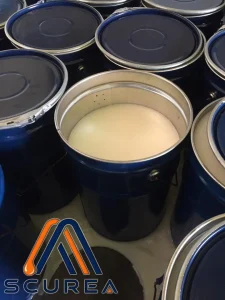
For commercial buyers, shelf life is also a procurement consideration. Ask suppliers about the manufacturing date, remaining shelf life, packaging integrity, and recommended storage conditions. These details help businesses manage inventory, reduce waste, and maintain consistent product quality.
How Is Petroleum Jelly Quality Evaluated?
Product appearance alone cannot establish the quality of petroleum jelly. Manufacturers and buyers evaluate a material against the specifications required for its intended application.
Depending on the grade and use, relevant parameters may include color, consistency, melting or drop point, penetration, odor, and purity-related requirements. Not every parameter applies to every product, so the appropriate evaluation method depends on the material specification.
Documentation can help buyers verify that a product meets their requirements. A technical data sheet may describe relevant physical and performance characteristics, while a certificate of analysis can provide results for a particular batch when the supplier offers one. Safety documentation may also be necessary for handling and regulatory purposes.
For businesses sourcing petroleum jelly in bulk, a clear specification reduces the risk of receiving a material that does not fit the production process. Buyers should communicate their application, required grade, packaging preferences, and destination-market requirements before confirming an order.
How to Choose the Right Petroleum Jelly Product
The right choice depends on whether you are buying a finished skin care product or a raw material for manufacturing.
For personal use, start with the product label. Check the ingredient list, intended use, and directions. If you want a simple protective product, compare formulations that identify petroleum jelly or petrolatum as their main ingredient.
For commercial purchasing, take a more structured approach:
Define the application: Identify whether the material will be used in cosmetics, pharmaceutical manufacturing, or another permitted application.
Specify the required grade: Do not rely on a generic product name when your process requires defined quality parameters.
Request documentation: Ask the supplier for relevant specifications and safety documentation. Additional certificates may be necessary depending on the application and destination market.
Confirm packaging and supply terms: Review available package sizes, minimum order quantities, lead times, and transportation arrangements.
Check regulatory suitability: Verify that the product and its documentation meet the requirements of the intended market and end use.
A supplier comparison should include more than price per kilogram. Material consistency, documentation, packaging, availability, and delivered cost can all influence the total value of a purchase.
Frequently Asked Questions
Is petroleum jelly cheaper than Vaseline?
The price depends on the manufacturer, product size, formulation, retailer, and market. Generic petroleum jelly may cost less than a branded product, but buyers should compare equivalent products and package sizes before deciding which offers better value.
Is white petroleum jelly better for skin?
White petroleum jelly can be suitable for skin care when it meets the relevant quality requirements and the manufacturer intends it for that use. Its color alone does not prove that it is better than another product.
Can I use any petroleum jelly on my face?
Choose a product intended for skin contact and follow its directions. Consider the formulation and your skin’s needs, particularly if you are sensitive to added ingredients. Avoid applying industrial-grade material to your face.
Are petrolatum and petroleum jelly different ingredients?
The terms commonly refer to the same general material in cosmetic and skin care contexts. However, the exact quality and suitability of a product depend on its specification and intended use.
Conclusion
The comparison of petroleum jelly vs Vaseline becomes straightforward once you separate the material from the brand. Petroleum jelly is the general name for a semi-solid petroleum-derived material, petrolatum is a commonly used ingredient name, and Vaseline is a brand associated with petroleum jelly products. These terms often overlap in everyday conversation, but they are not interchangeable in every purchasing or labeling context. For skin care, compare the actual ingredients and choose a product intended for your use. For manufacturing, evaluate the grade, documented specifications, quality requirements, and supply conditions. Making the decision based on verified product information rather than the name alone helps consumers and businesses select a suitable petroleum jelly product with greater confidence.